Troubleshooting your garden, when disasters strike
Enjoying your early summer garden, watching the plants grow, flowers start to pop up here and there, maybe even baby fruits and vegetables? Ah, take it all in, it is a beautiful time!
Honestly, this happens all throughout the season, if you look close enough. There will always be new things happening, as all plants’ goal is to gain energy from the sun, nutrients from the soil, and turn them into viable seeds so they can propagate. Lucky for us, those seeds usually come engrossed in delicious pieces of fruit that we can eat, so win win for us!
It is only natural then, that other creatures try to take advantage of such deliciousness and show up to the party completely uninvited. So in this blog post we will focus on keeping a healthy soil in the garden, and pests at bay.
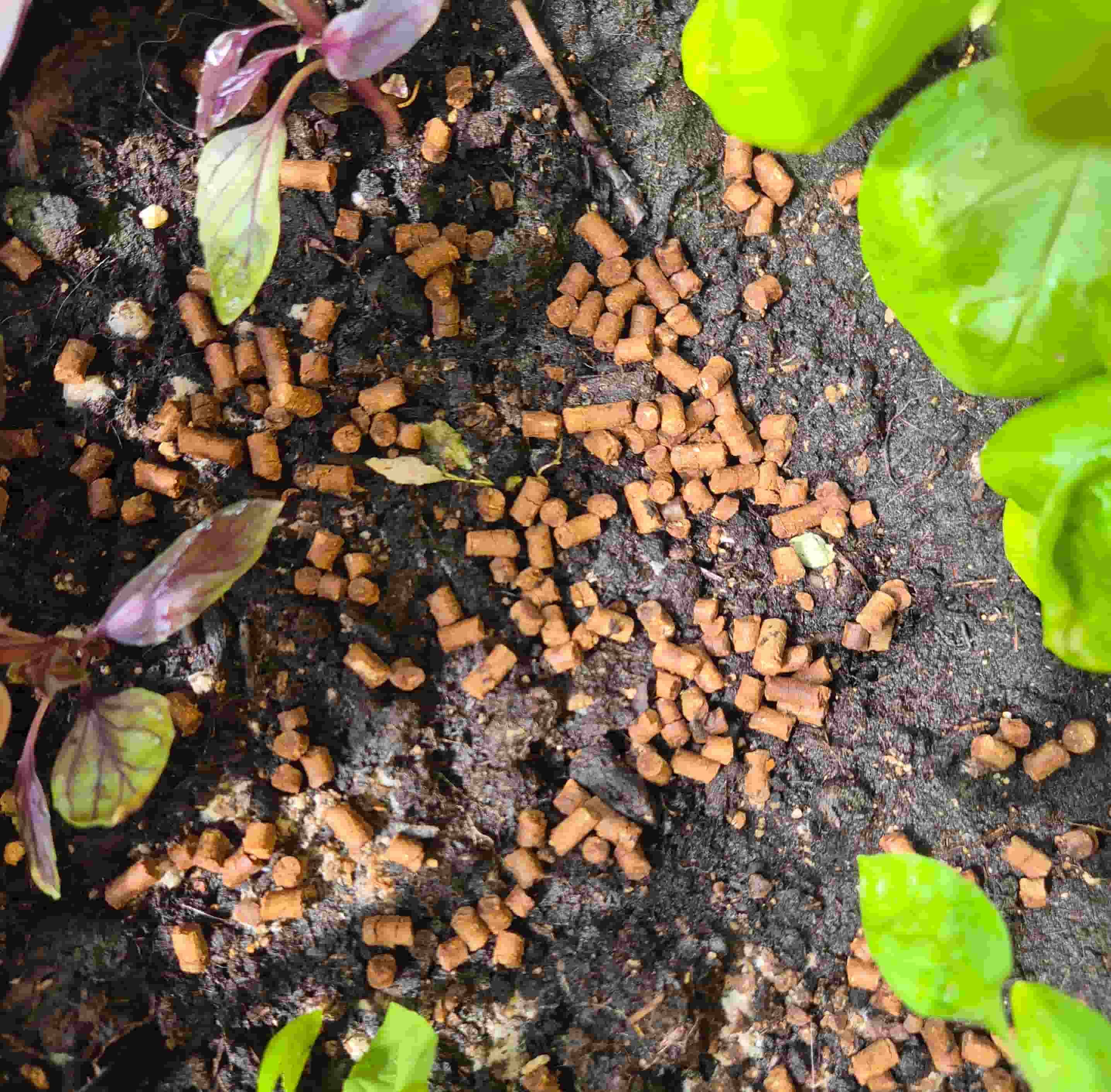
First and foremost, make sure the soil stays healthy, moist and rich in nutrients, as happy plants will naturally repel and fight against pests. There are many fertilizers available at garden stores, powdered, liquid and pelleted ones. Reading the back of the packages is a very good idea, to be able to tell how much and how often you’ll need to add it to your soil.
For pots I have found I very much like liquid fertilizers. They’re convenient and distribute quickly through the soil, which, coupled with appropriate moisture levels, allows for a fast absorption of salts and nutrients by the plant’s root system. Usually solid forms of fertilizers disperse a bit more slowly through the soil, as they break down little by little with each watering.
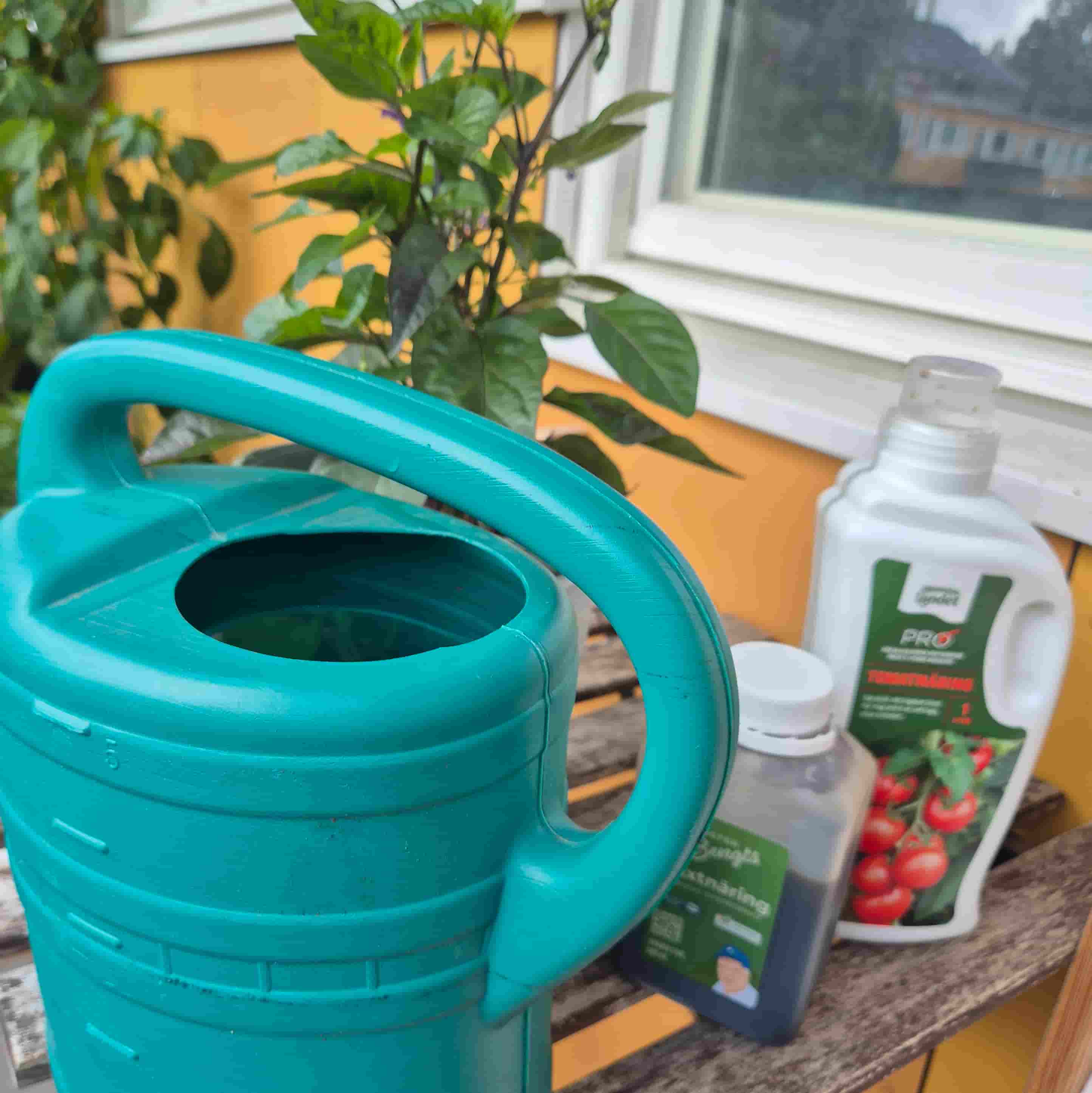
Overall, I would recommend watering the soil once a day in the summer and using a liquid fertilizer once a week to keep things happy and growing. In my experience, it doesn’t really matter what kind of fertilizer, as most will have very similar formulas, the ones for vegetables anyway.
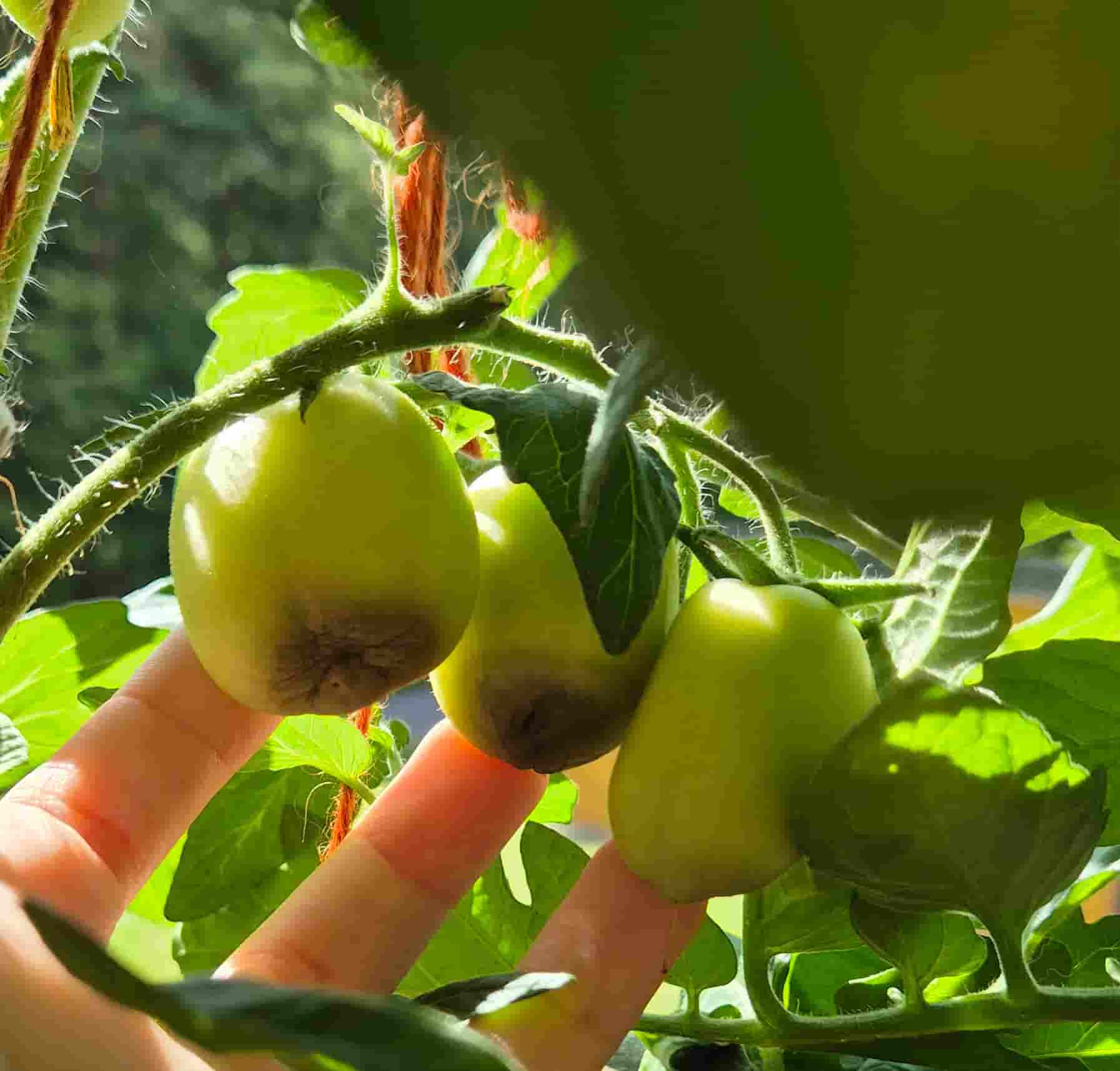
Some plants might require specific add-ons. For example tomato plants, specifically paste varieties, might suffer from calcium deficiency. This can affect the actual fruits and give you tomatoes that start to rot from one end like you can see in the picture at the start of this page.
Now onto the bugs. Unfortunately I have found that they are quite unavoidable. As the summer comes to an end and the plants are maybe a bit more stressed with higher temperature fluctuations, or inconsistent watering, or maybe just plain overgrown foliage, they do start to attract pests. The temperature and water affect how concentrated the sugars are in the plant, and aphids are quick to show up for the feast. The overgrown foliage will just provide the perfect hideout.
Moths and butterflies might also lay their eggs on some of the leaves and the caterpillars will devour your plants. Spider mites can also be a thing, and slugs too. My best tips would be to identify your pests, then look up the best way to get rid of them.
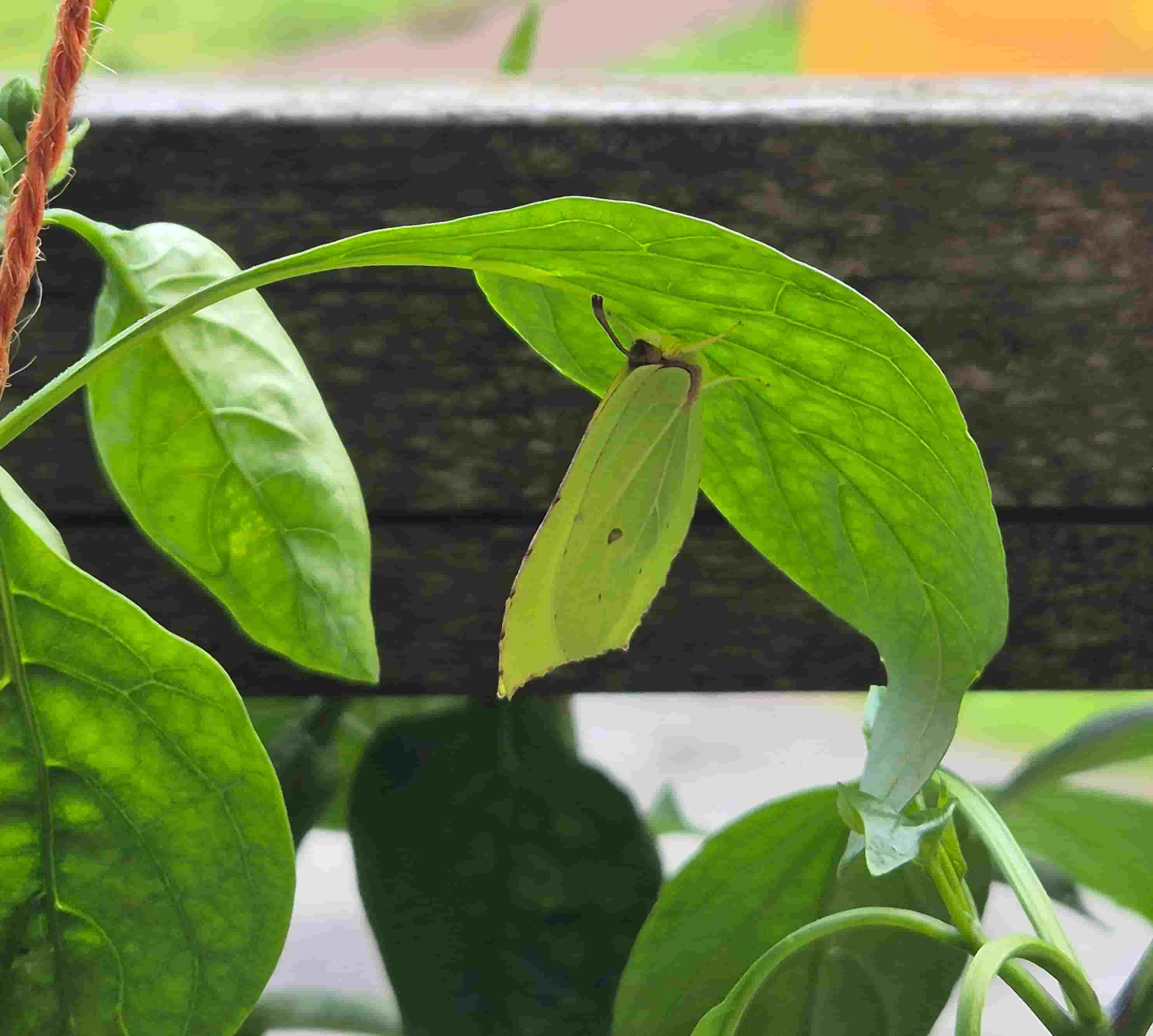
Although this sounds a bit catastrophic, it is only natural. It’s not my favorite part about gardening, that’s why I do not typically document it with photos, but I’ve learned to embrace it. As long as you keep your plants happy and thriving, the pests will not be a problem, so I focus a lot in prevention rather than having to deal with the actual invasion.
There are things you can try to get rid of pests, but from experience, what works best is to just roll up your sleeves and hunt them down with your hands… remove the caterpillars from leaves and take a sponge with some soapy water to gently scrub the aphids or spider mites from the plants. It is nasty work, but you’re trying your best to keep your plants alive, and that’s what matters!
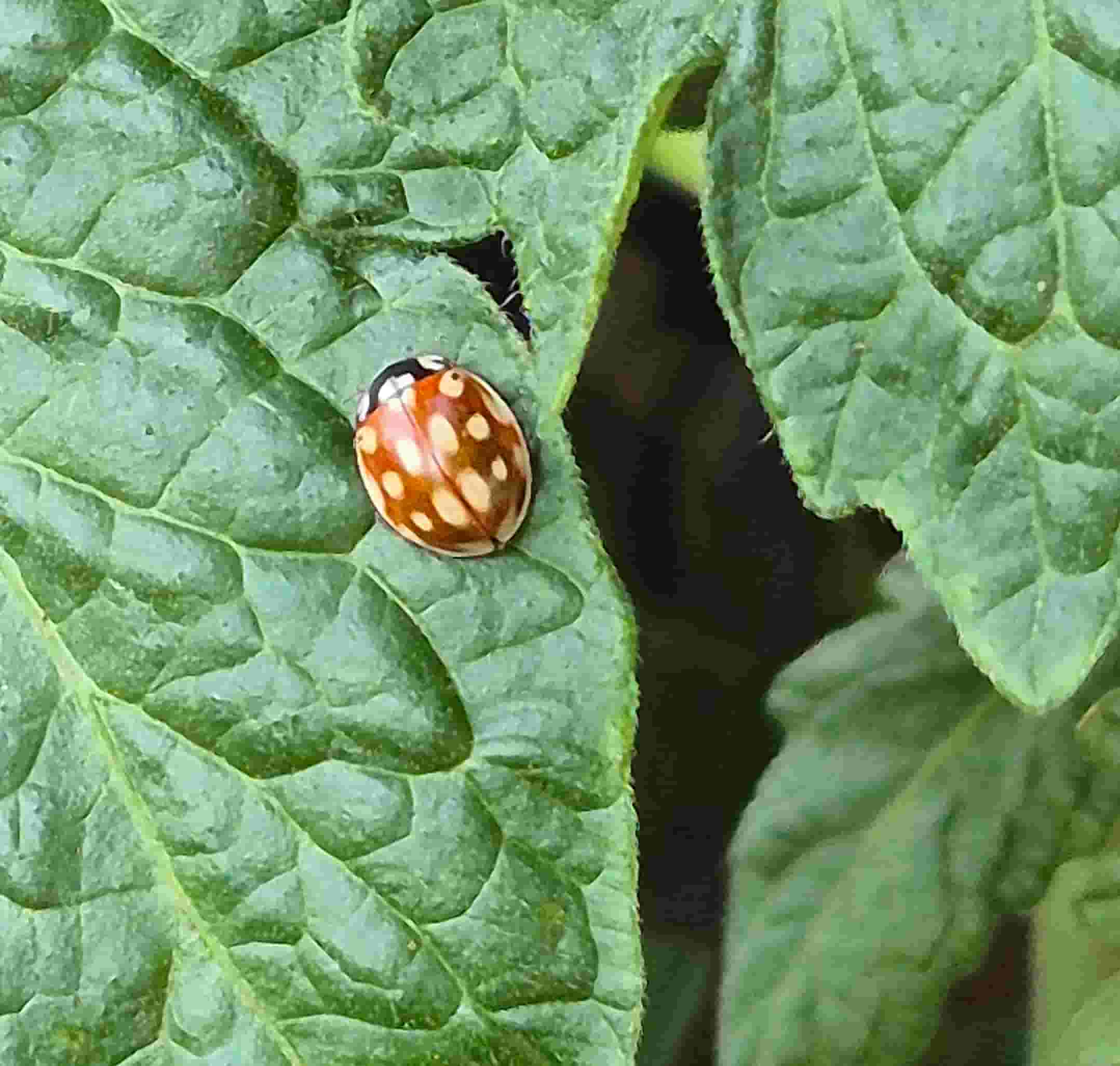
Another thing to consider is to make sure you have flowers in your garden that repel unwanted pests (check “My flowers bring all the pollinators to the yard” post for more info), and that attract ladybugs, also known as nature’s natural killer. They will feast on aphids and spider mites and help protect your plants. All they ask is for a nice cozy flat flower to rest in after flying in to save the day. Their flower of choice, form my experience, is fool’s parsley.
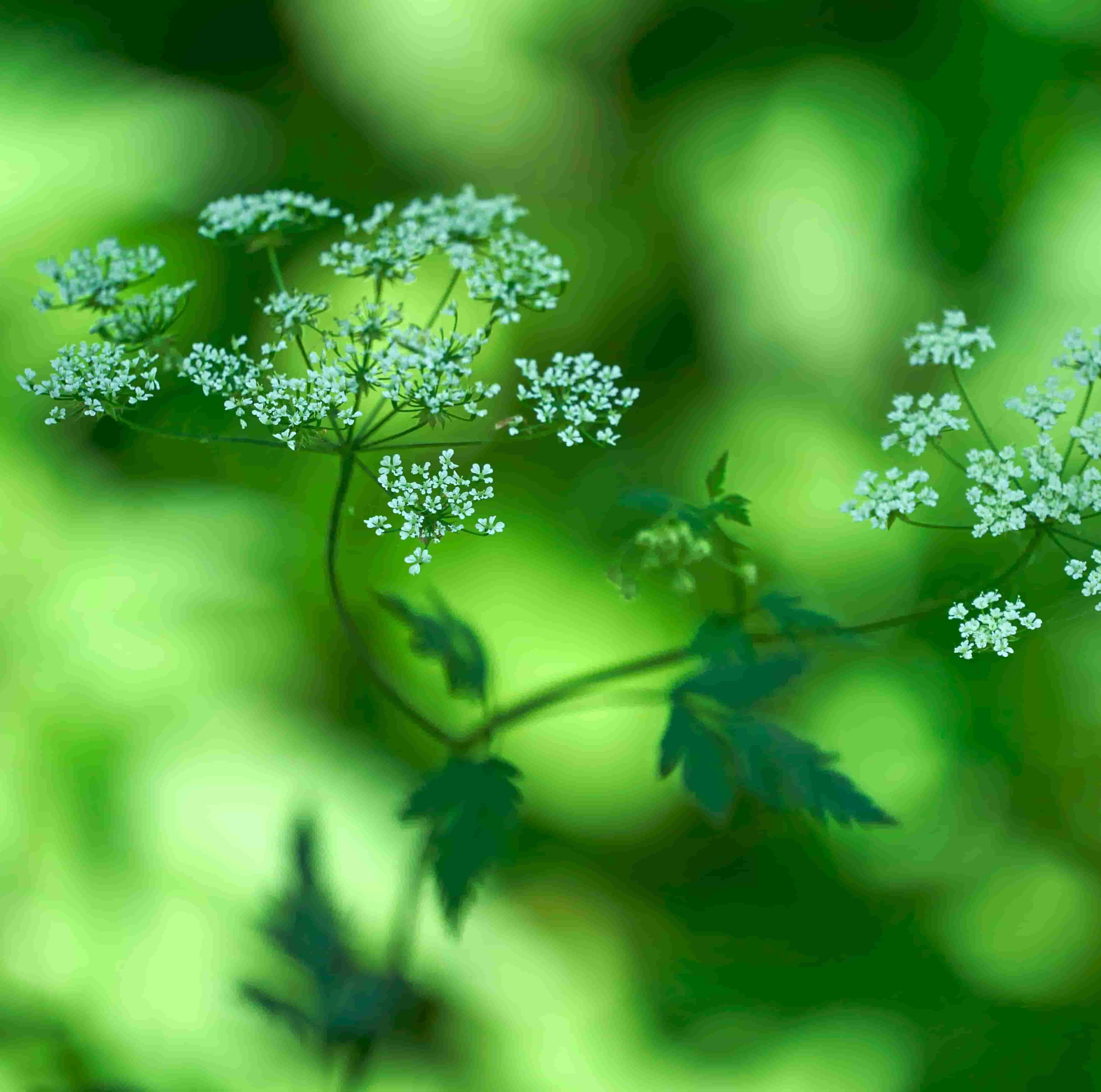
In the swedish summers, I’ve found that there really isn’t much point in trying so hard, as the cold weather comes at the beginning of september, and that usually slows everything down, including pest growth. So these last few years, for example, I haven’t really tried to actively remove pests from my plants, unless they showed up super early in the summer.
So don’t stress too much about it and use the internet to your advantage. Your unique garden conditions will ultimately dictate what will affect it, and you will learn to deal with issues as they come. Sometimes, just giving up a crop entirely might be the only solution. But then you get to try something else in its place, it’s the circle of life!
 Subscribe to my RSS Feed!