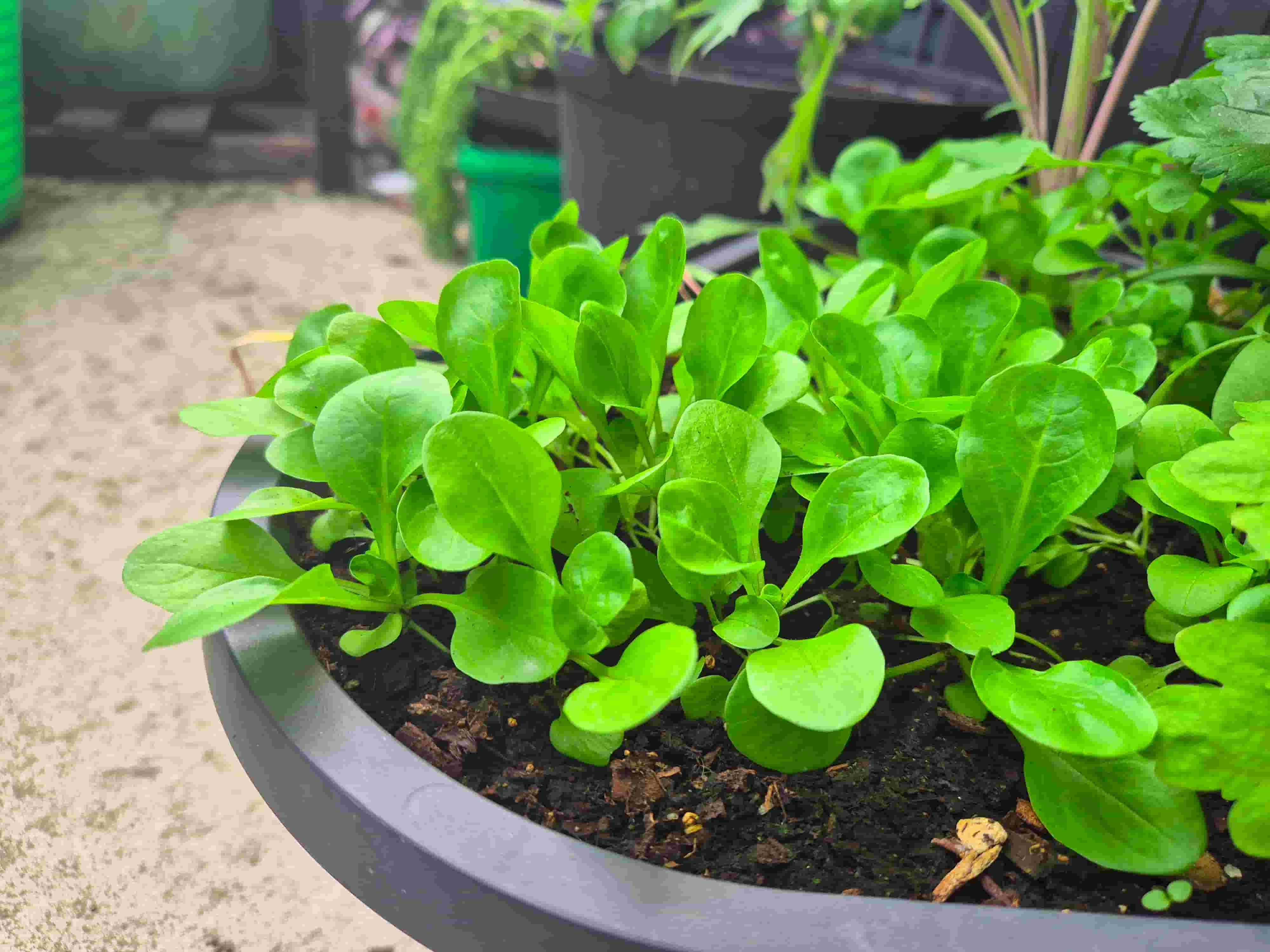
The year was 2023 when I first thought “hum, might be nice to try and grow some mâche”, just like, you know, any regular person out there. And so I did. I bought some seeds and sprinkled them over the soil in a shallow pot. They grew amazingly and tasted even better in a fresh summer salad. I had so much fun with it, that the next year I expanded the leafy greens collection. I got seeds for arugula, spinach and butter-leaf lettuce, and played around with sprinkling the seeds in any pot with exposed soil, like under my tomatoes and cucumbers.
Unfortunately for me and my summer salads, only the arugula grew that time around (I actually still occasionally get it in random pots to this day, as it went to seed that year and spread everywhere). But everything else either didn’t sprout at all, or did, but got ripped out of the soil whenever I watered my pots. That’s when I learned that leafy green sprouts are super flimsy, even more than your regular plant baby.
I’ve learned quite a few more things about these crops since then, so here I am sharing them with you, hoping it will make your journey much less frustrating than mine.
The first thing you need to know is that they have very shallow root systems, even when fully grown, making them perfect for short containers. While you can definitely plant them with other companion plants, beware that watering will be a lot trickier and might displace the leafy green seedlings. They also tend to attract quite a few caterpillars and aphids, so you can inadvertently be starting an all-you-can-eat buffet for your poor plants.
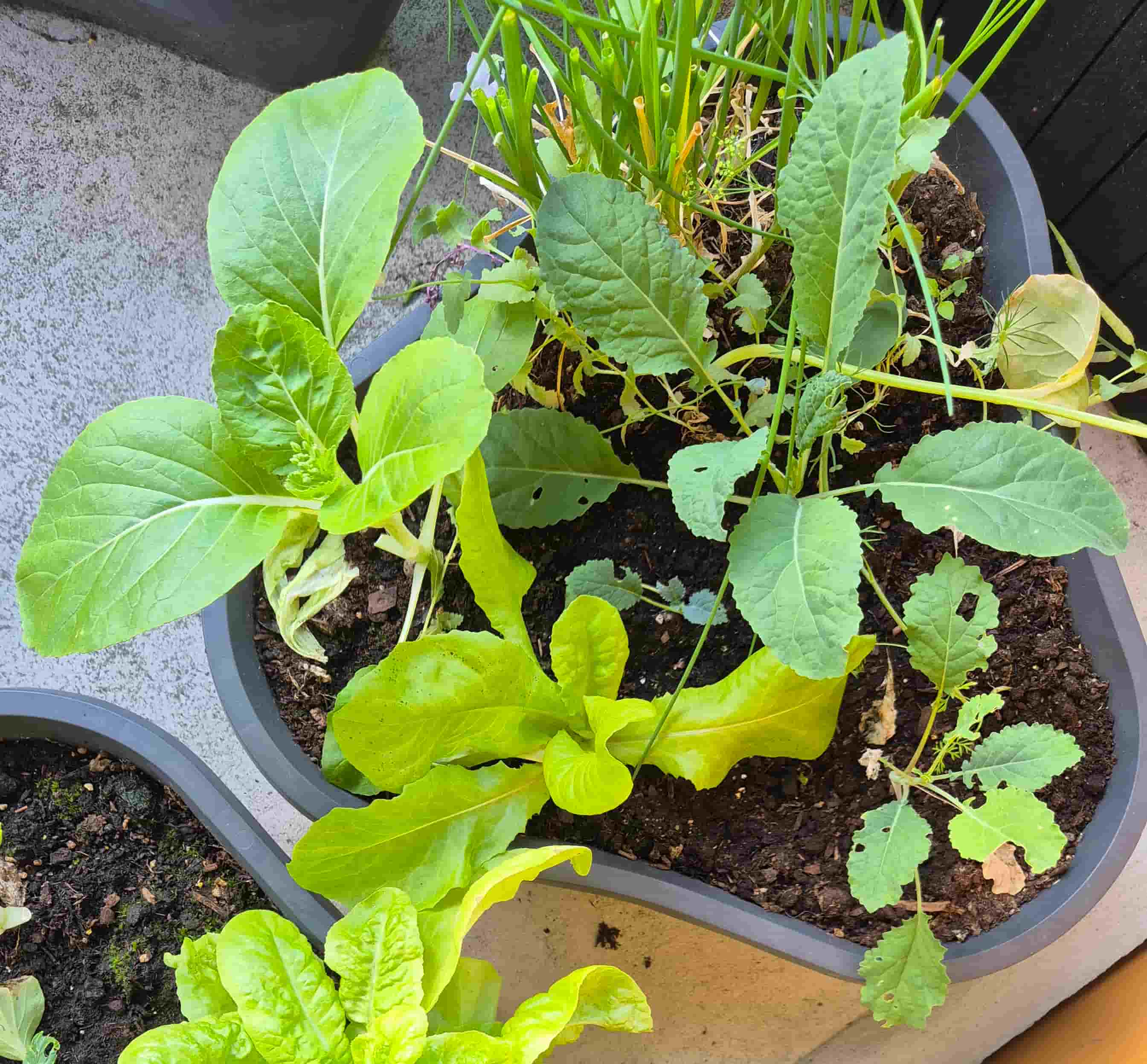
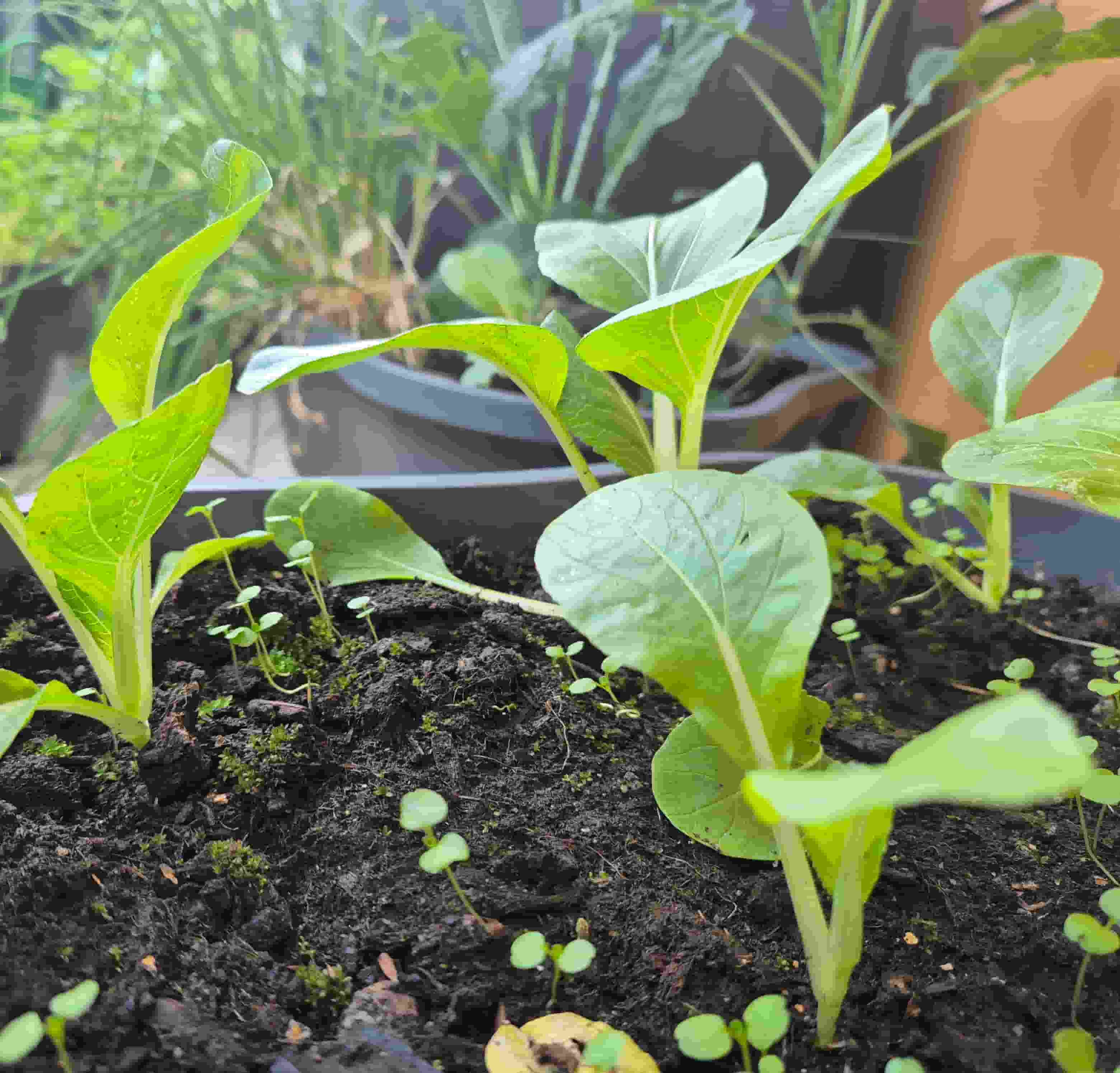
Because they all seem to attract so many pests (in my case, at least), I find it easier to start my leafy greens indoors, or at least protected while they are still young. These days, butter-leaf lettuce, pak choi and mâche are a staple in my balcony garden, and I start them all pretty much the same way, in small 6-cell pots, then thinned out to 1 seedling per cell and slowly start fertilizing after 1 or 2 weeks post-sprouting. I leave them in their little cells until they have at least 4 definitive leaves, before transplanting them into their permanent home for the summer.
The seeds are very tiny, so they need good soil contact to sprout. What that effectively means is that you want to lightly push the soil down in your pots and get it somewhat compacted. This seems to be particularly important for salad greens.
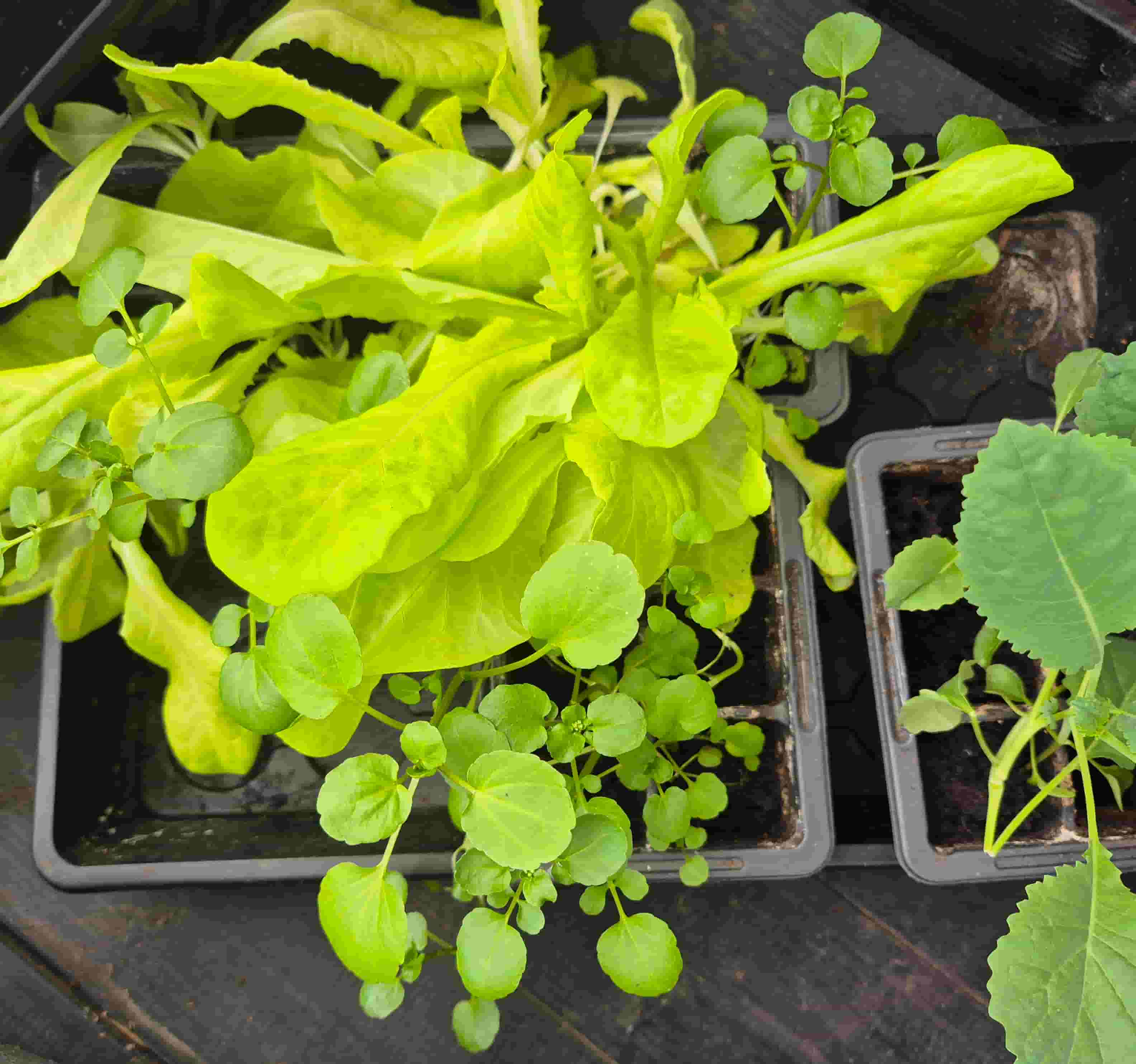
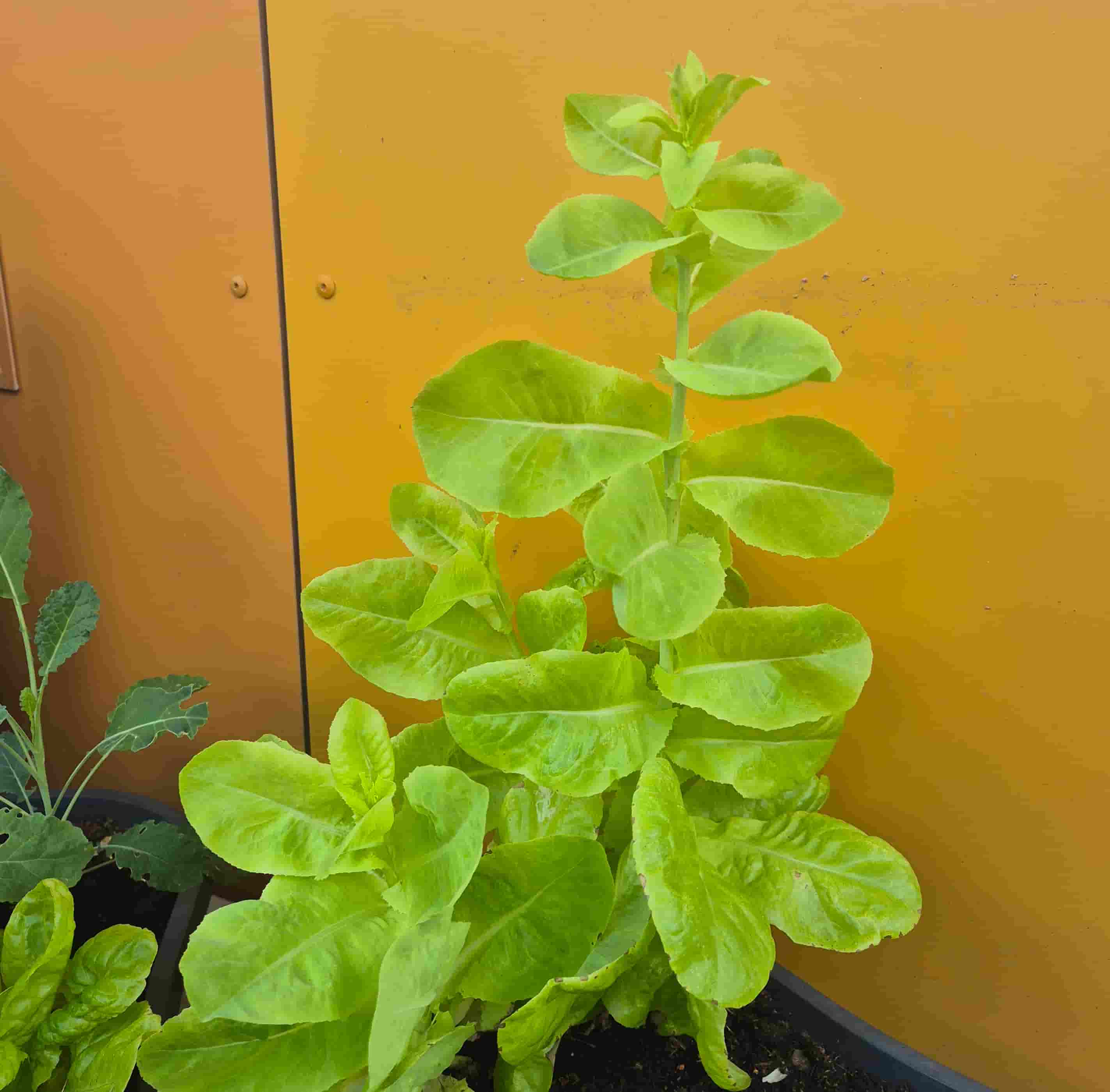
Another important thing I’ve learned, is that they prefer cooler temperatures all throughout the growing season. That’s the main advantage in growing these so far up north, and in my north-east facing balcony. This way, I can postpone the flowering stage, which renders the delicious leaves pretty much inedible. Still, most leafy greens don’t usually last very long, and thus succession planting becomes imperative. I try to replant my favorite greens every 2 weeks or so, so that I can easily replace them outside if needed, and granting a harvest all throughout the summer.
A very cool trick I’ve learned and that goes very well on my north-east balcony, is replanting the root ends from green onions bought from the supermarket. They take on quickly and regrow the leaves very fast, so I can use them in my salads whenever I need.
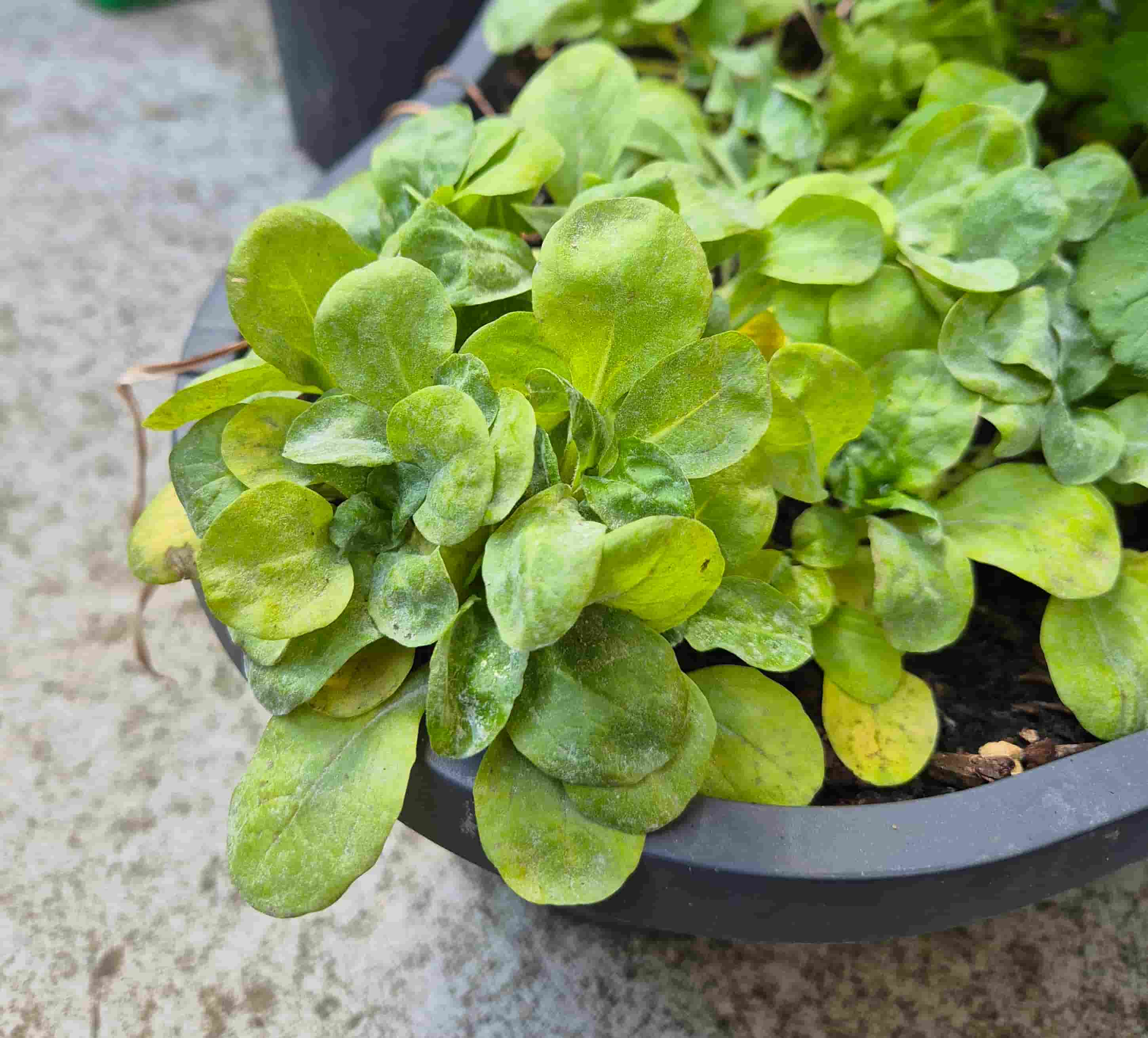
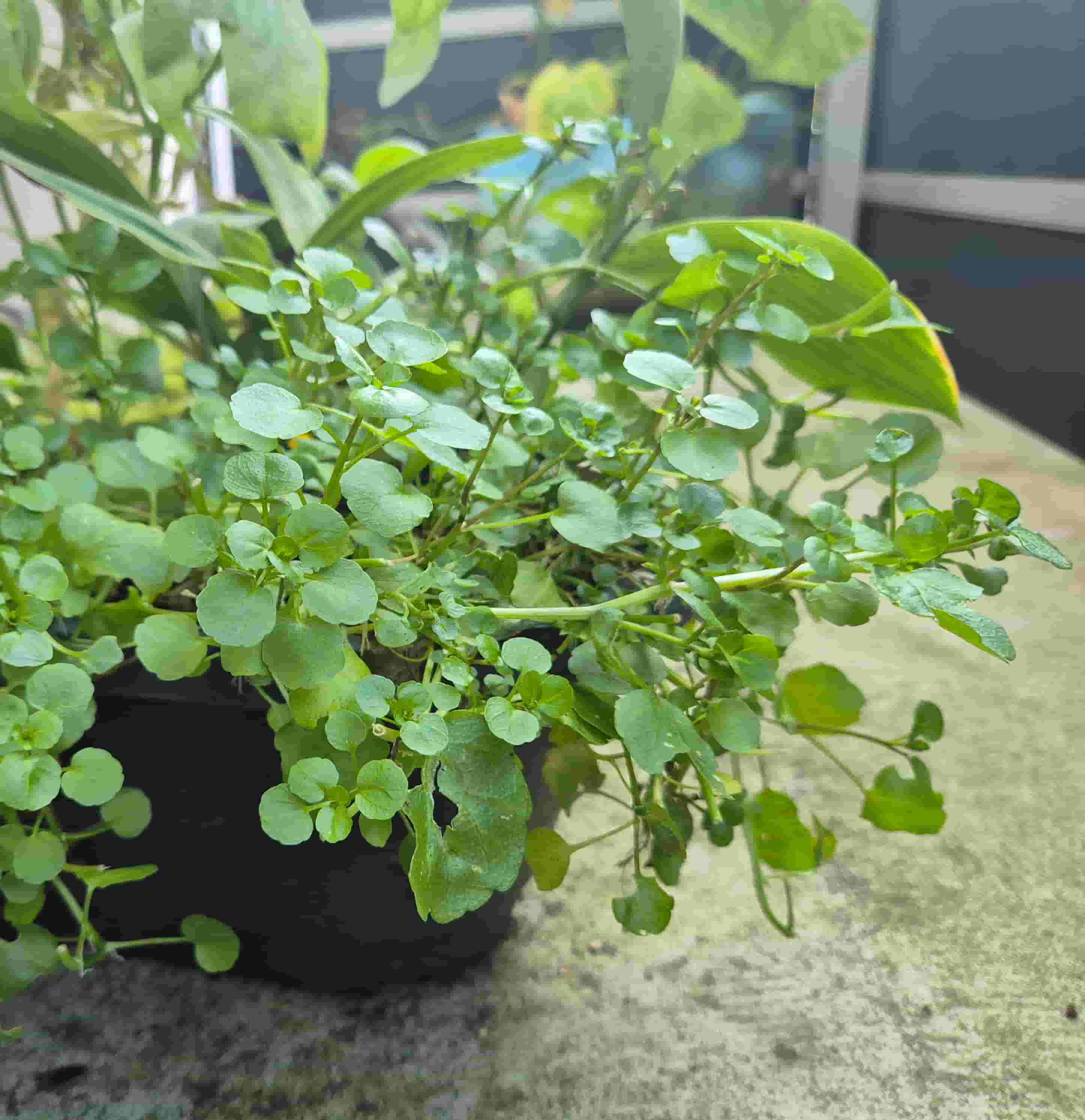
This year was the first one I replaced the mâche in my garden with watercress. The last few times I tried growing mâche was in the same pot I grew it in 2023, and at the end of that season it got absolutely decimated by powdery mildew. Since this is a fungus, it stayed in my soil and it actually affected my plants earlier in the season with every year that passed. All this to say that in 2025 I got zero mâche to add to my salads, which made me very sad… So in 2026, I decided to try watercress instead.
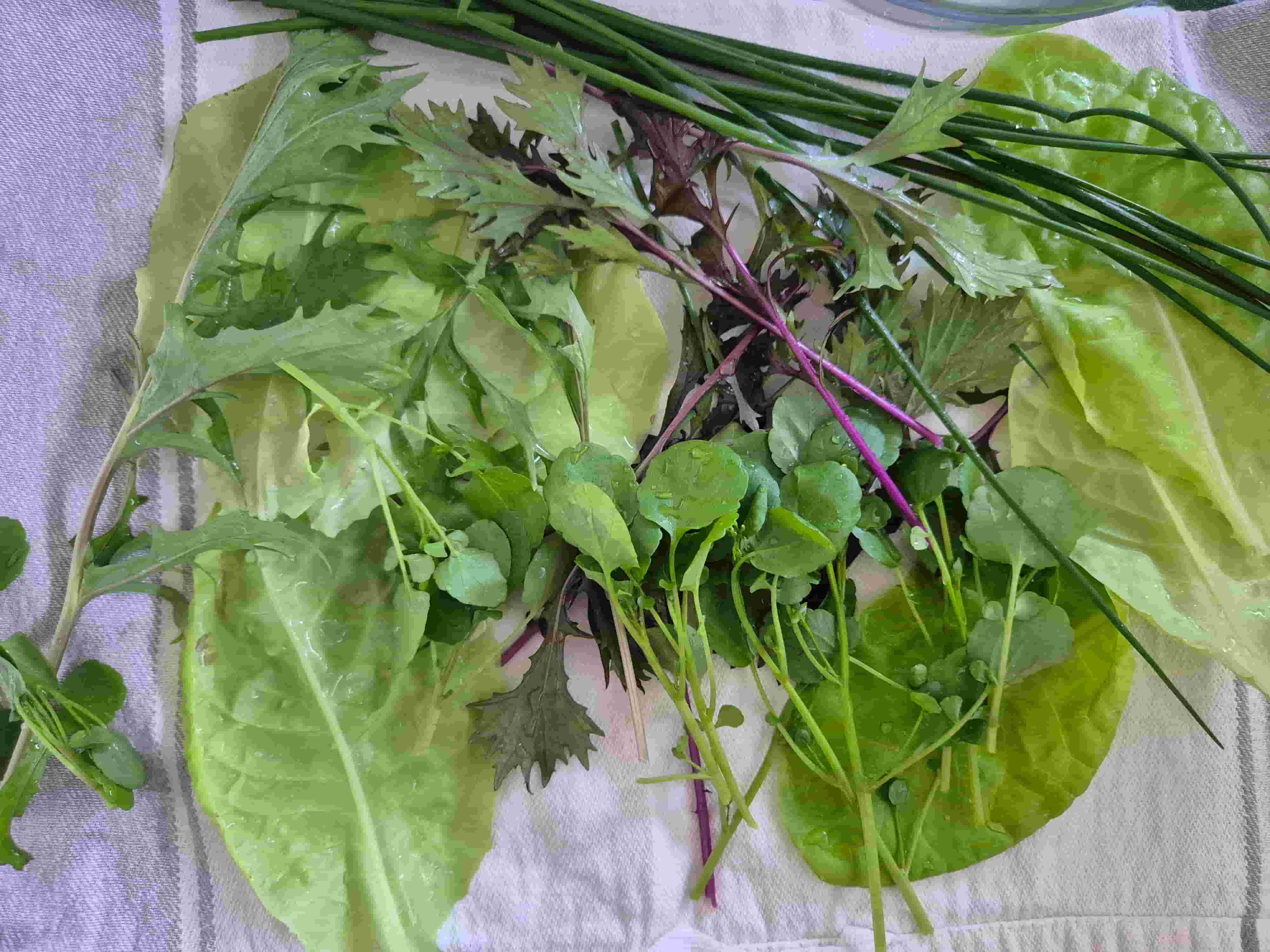
A misconception I had, perhaps because of its name, was that watercress needed to grow in water or really close to water to thrive. But either I’ve always been wrong, or the variety I picked grows well in soil as well, because it has been a success to far! It’s super easy to plant, just like mâche, the leaves are deliciously peppery, and (so far) no powdery mildew on site. The only downside is that the caterpillars seem to love this one even more than the pak choi or the kale I planted, so it has been a race to see who gets to them first.
A big mistake I made in the beginning of my gardening journey, was underestimating how much space herbs and leafy greens actually need. If you think of a full head of lettuce, or those big pak choi you find at the store, it’s very clear the potential size they can grow to. However, when I looked at the flimsy plant starts I grew from seed, it somehow didn’t click for me that they could get so big. It still gets me everytime I look outside just now on my balcony, and think of how tiny all my plant starts were, compared to the bushy monsters they are today!
So give them plenty of space in between, so the leaves can grow as big as they want and those roots can spread and absorb all the nutrients they need. If you want, you can plant other greens, like arugula, or mâche, or in my case, watercress, in between, to maximize your space in the pot.
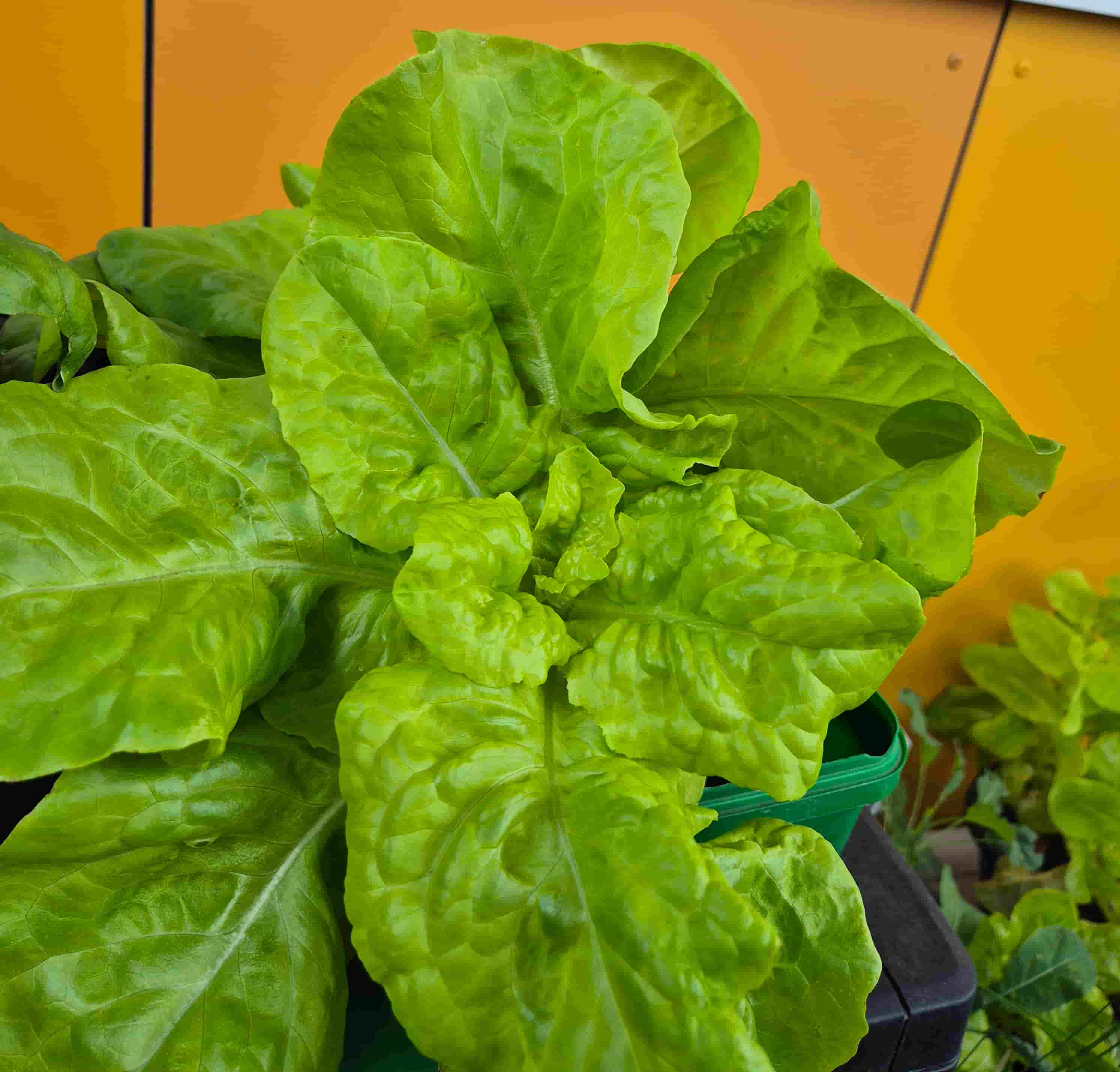
The biggest perk of growing leafy greens is that they grow so fast compared to everything else in your garden! For me, on average they need around 8-10 weeks until you can start harvesting leaves off the plants. As long as they stay nice and shaded and watered well, they continue to produce for a lot longer than that. You can harvest the amount you need from time to time and they usually come back again from the main stock. There isn’t much out there than can surpass this proliferation rate!
 Subscribe to my RSS Feed!