Who hasn’t looked at the price of herbs at the store and thought “are these made of gold or what?”. Growing up in Moldova, herbs were something we would just quickly go to the garden and pick because my grandmother would always have them around. It always puzzled me that people didn’t just grow them themselves. And then I tried it… and well, they are a pain; a delicious, perfumy and beautiful pain to both get to sprout and maintain.
I’m afraid you won’t learn a whole lot with this post, because herbs are something I have not cracked the code on yet. But if you are in this very same boat and need to feel less alone, I got you!
The first problem: minuscule seeds. Some of them sprout very easily, but some require very specific conditions. I have only managed to get thyme and oregano to sprout once by some divine intervention; and then, as soon as I transplanted them to a bigger pot, they died… Parsley, coriander and dill are 3 mystery plants that some years sprout super well, in others I keep replanting and nothing happens.
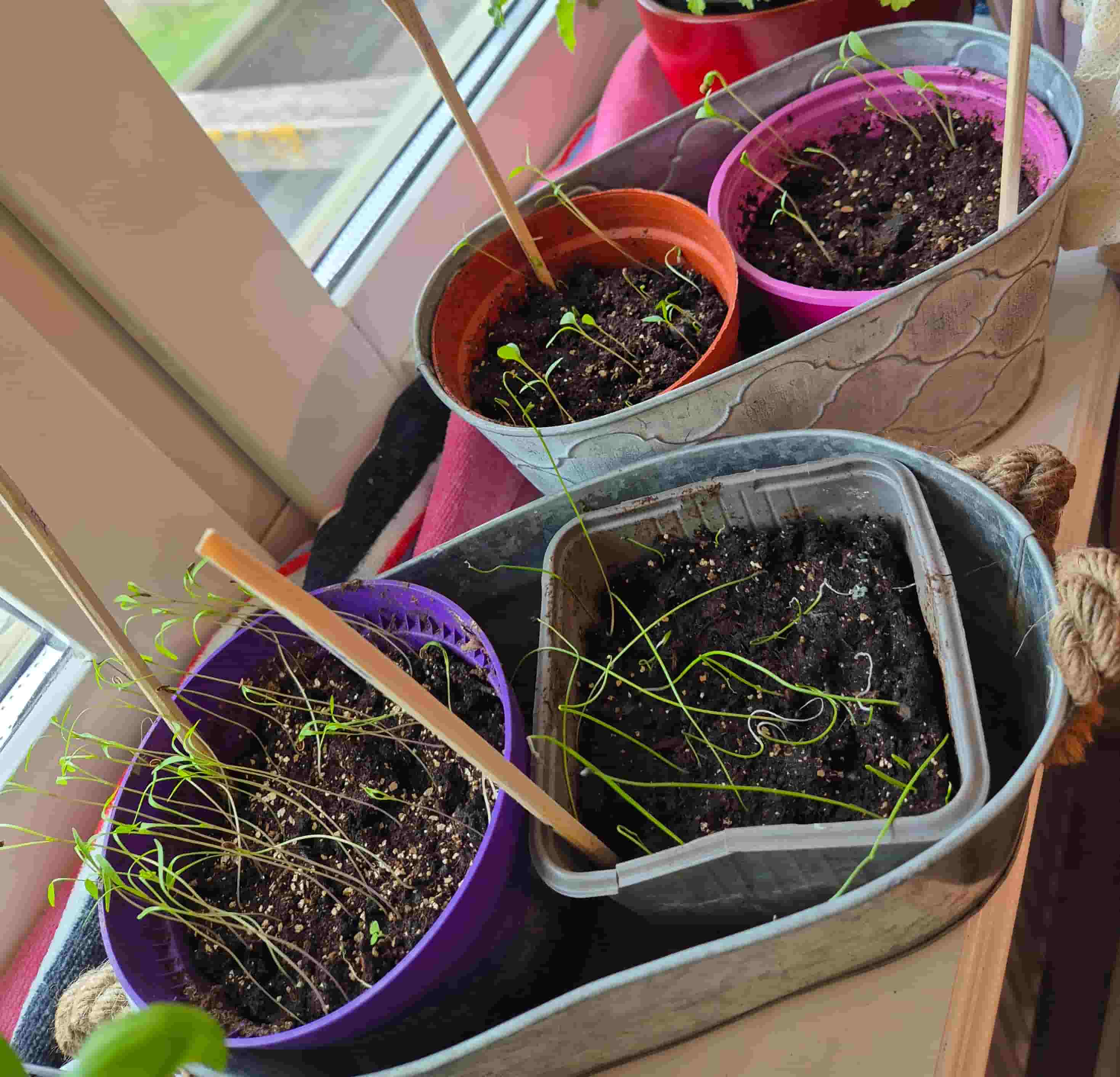
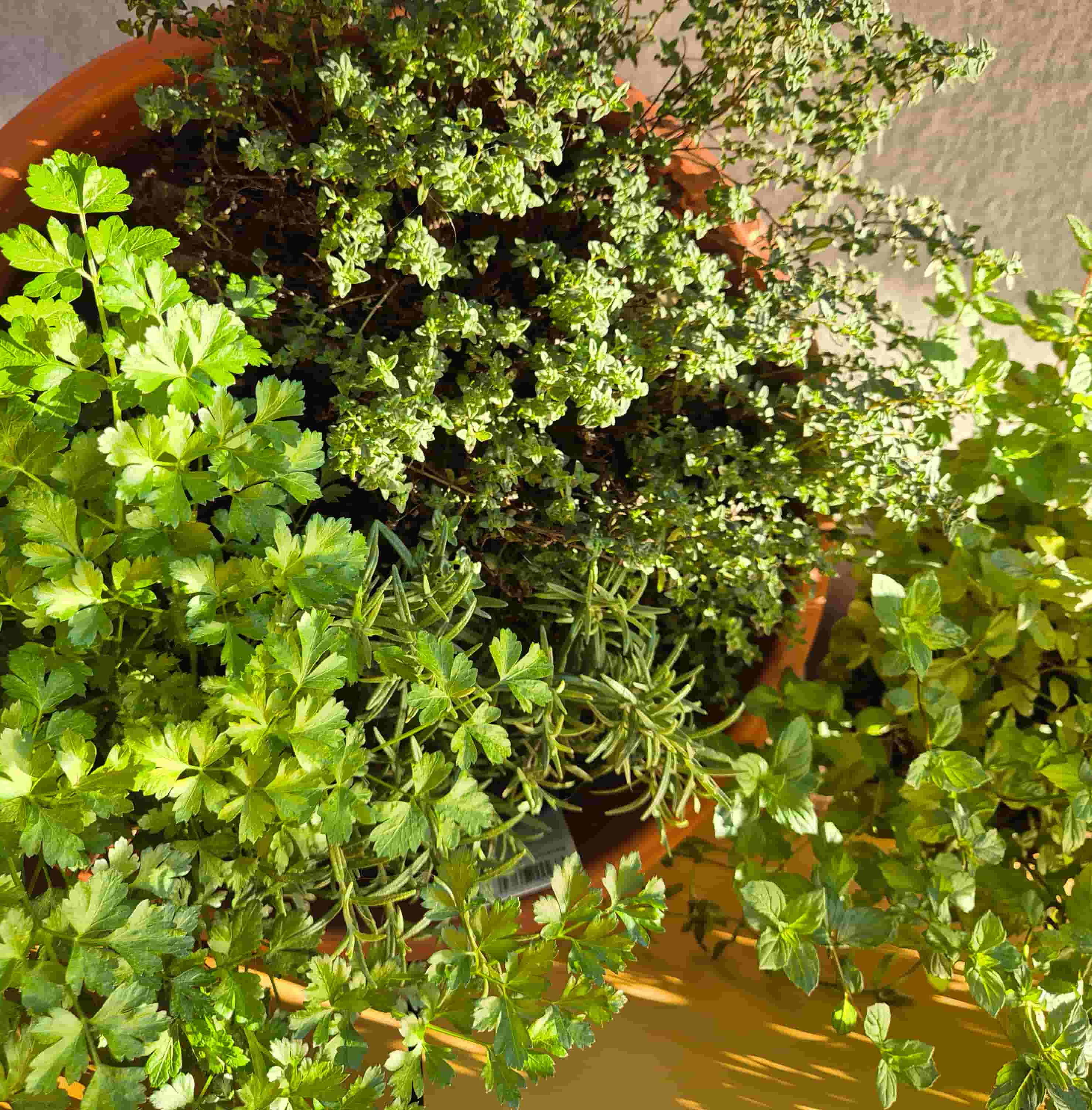
The most reliable ones for me have been chives and mint, mostly because they are perennials and come back every year on their own, as long as I don’t disturb their roots. Another one has been basil, and I’m convinced it was because the basil gods that have looked down on me and decided to give me a break and entrust me with this ancient and renown skill, for which I will be forever thankful.
This year is also the first time I had coriander spontaneously sprout in a couple of last year’s pots, which is truly amazing. Of course, some of the seeds must have survived from last year, and the winter had some strange effect on them and pushed them into sprouting when spring came along.
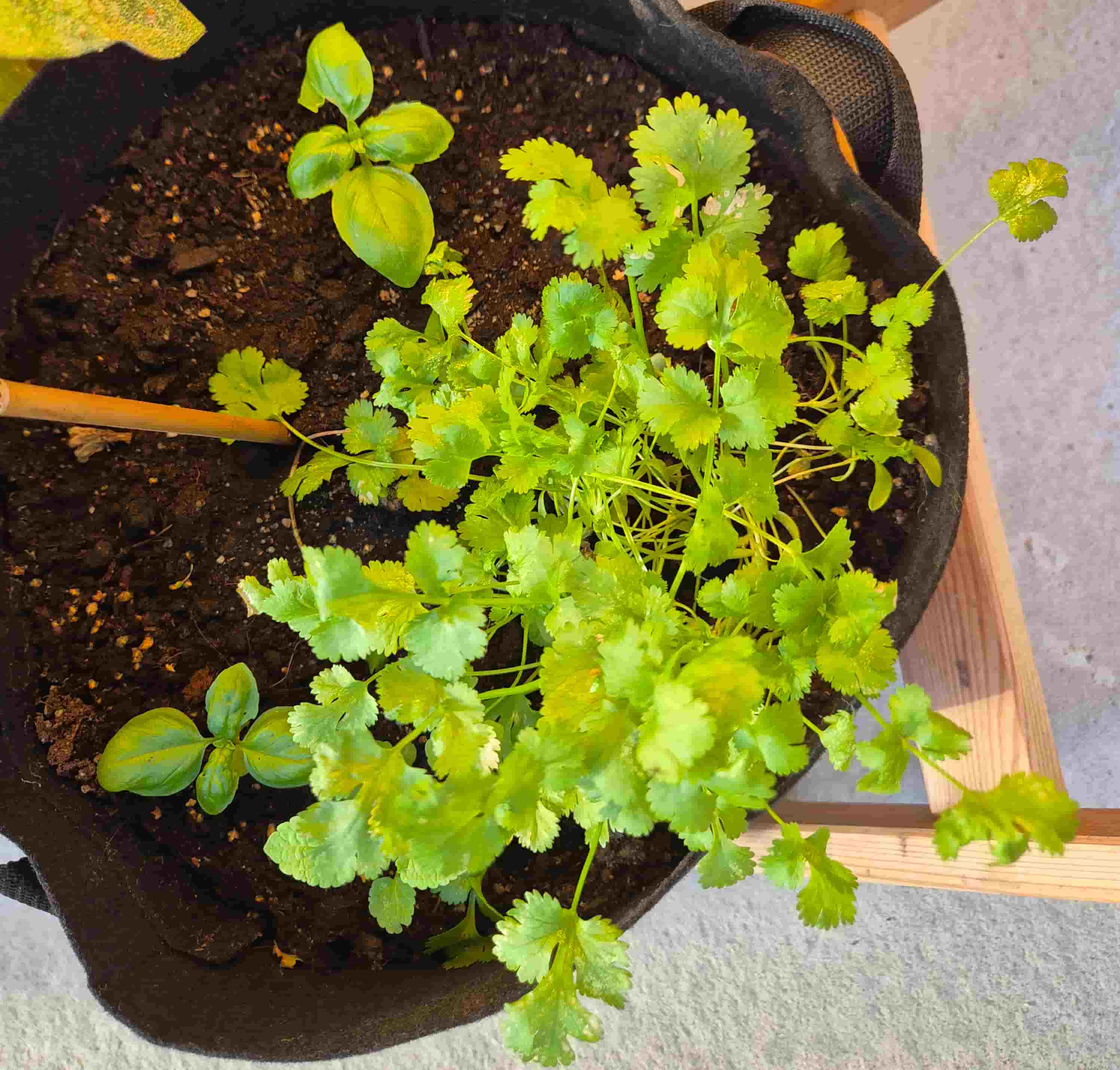
And this takes us to another requirement for some herb seeds, some of them need cold induction. Other plants have this characteristic as well. If you think about it, it makes sense that in nature, plants will typically bloom and produce seeds at the end of summer/fall. Then, the seeds will drop to the soil bellow and often remain there during the winter. As the temperatures rise and the sunlight becomes more long-lasting, the seeds will sprout and grow.
Some people try to simulate this indoors by placing the seeds in the fridge prior to planting, but, personally, I don’t need this sort of gardening in hard mode.
A lot of these herbs actually grow better from cuttings. That means cutting some tender young branches of an established plant and putting them in water or soil. In my opinion, this is the best way to propagate and grow herbs. Basil, mint, rosemary, thyme, oregano all grow very well like this.
The biggest tip I can give if you after you do manage to get on the good side of the herb gods and get the plants to grow nicely, is to prune them often. They typically flower very quickly, and this is bad for you, as the leaves (which is your main goal to harvest), will change flavor and turn very intense and almost bitter. So to prevent this, and to stimulate new leafy growth, you want to constantly cut and harvest the tips of your herbs.
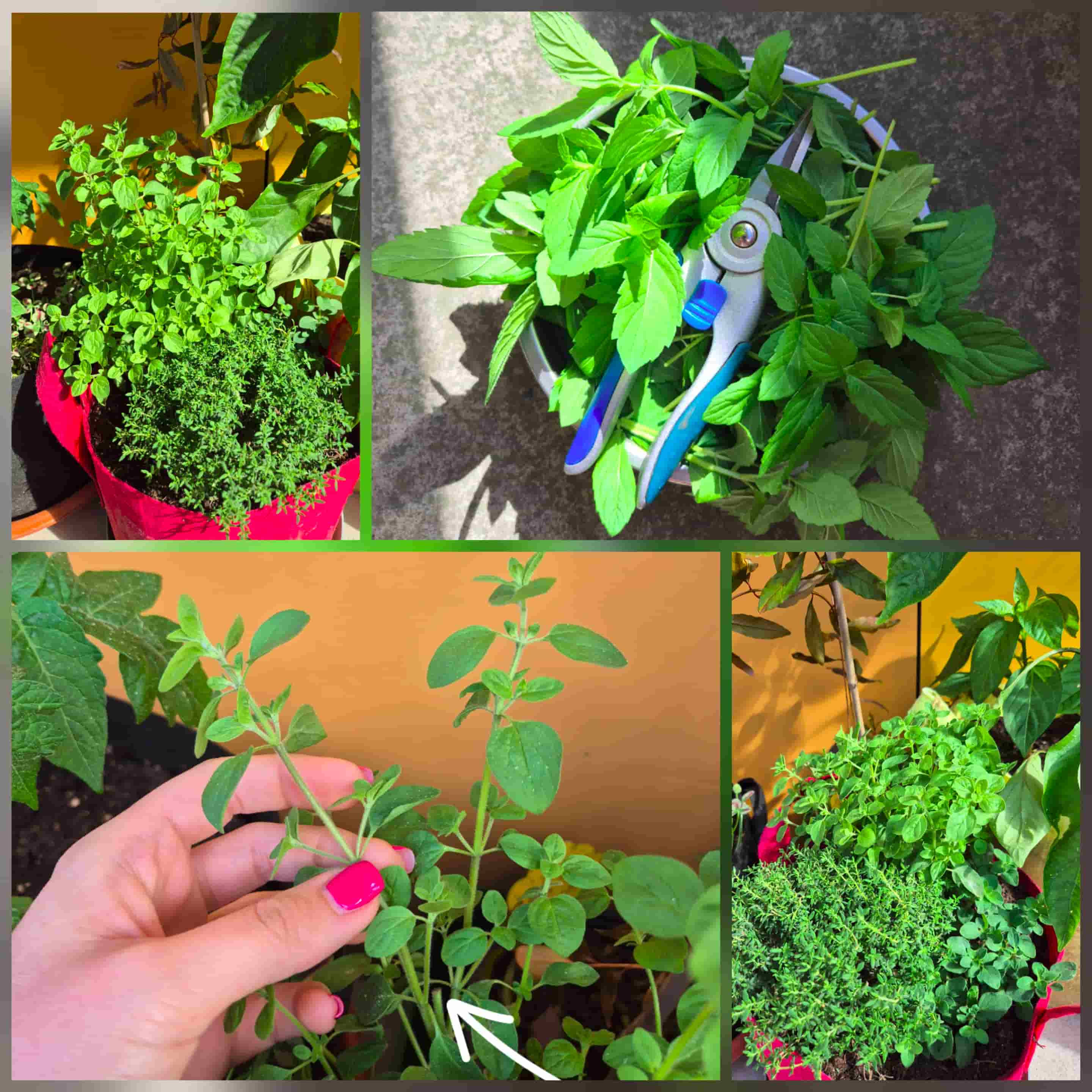
My main takeaway is to keep trying, even if you have to purchase the plants at the store. Just don’t let them die in the tiny plastic pots they came in, and give them some room and fresh soil to grow in. Now that I think of it, that might have been the key to charming those basil gods after all…!
 Subscribe to my RSS Feed!