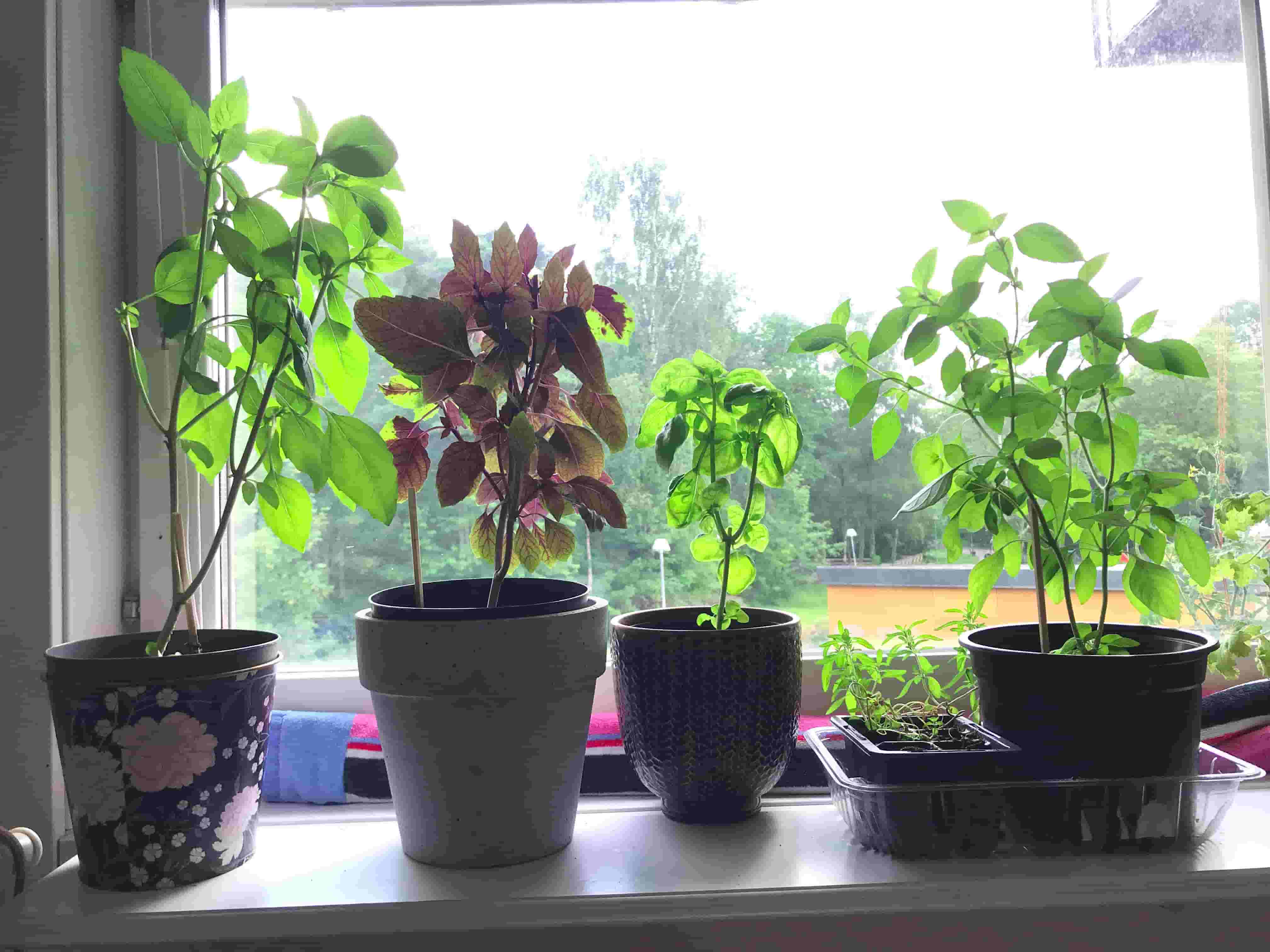
Imagine me as a tiny 4 year old, sneaking into my grandmother’s garden, going straight for the basils, and promptly ripping all the plants and making a “bouquet” out of it. Of course, I then gave that to my grandmother, who was more than thrilled to receive such a thoughtful gift and did not complain instantly to my mom at all.
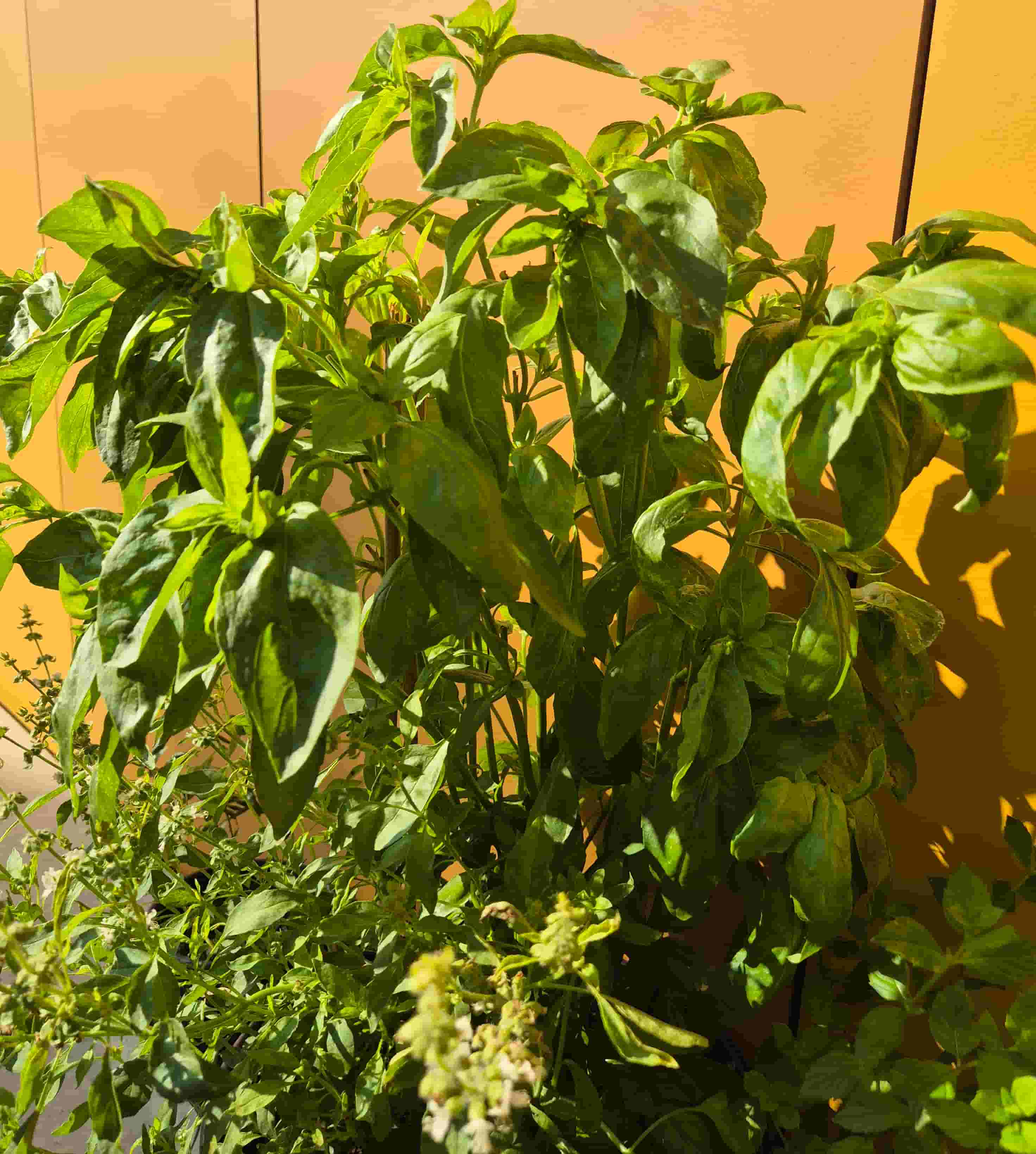
That was my very first experience with basils. And the kick I must’ve gotten from that seems to have followed me all the way into adult life. The addiction was so strong, in fact, that perhaps that’s why we didn’t really have basil in the house growing up. Even when summer festivals started in Portugal, around June, and it was traditional to have a small pot of bushy greek basil in the kitchen, my mother refused to buy it and instead, would always allude to that childhood story.
So naturally, as soon as I started gardening, I wanted basil plants. The first year, I grew them from nursery plants, and only the genovese (italian) variety. But once I discovered the many, many different kinds at the seed store, the world was my oyster.
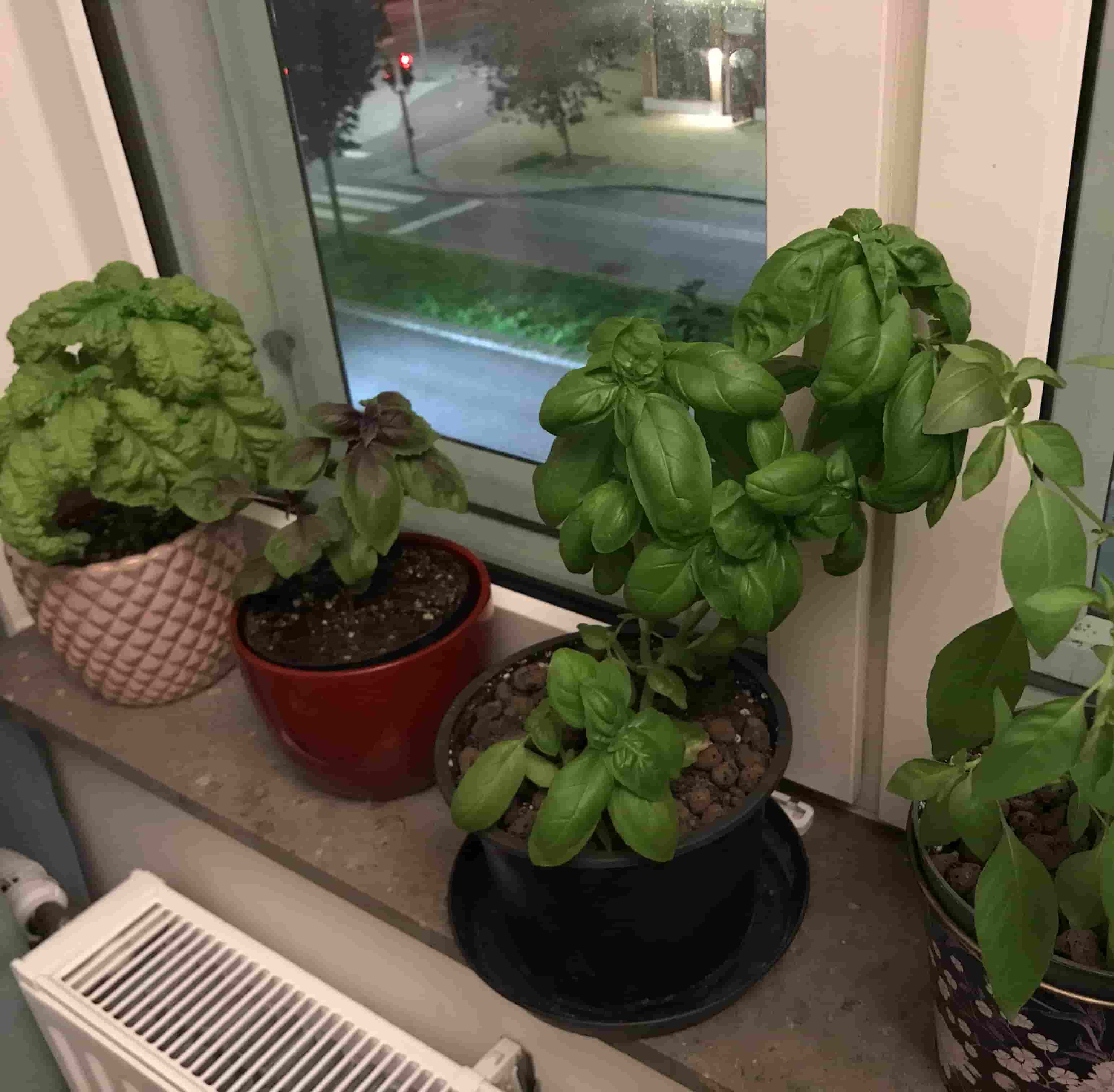
To say I went a bit overboard would be an understatement. So far, I have tried purple basil, lemon basil, lettuce basil, thai basil, and clove basil. And the joy that they brought me was so immense, that in the end, when I realized I only really enjoyed eating the genovese, I still can’t really convince myself not to try a couple more.
The overall rating goes as:
Genovese - 5/5 seeds
The absolute best and most versatile variety. I like it in all summer salads and sandwiches. Pairs amazingly with tomato, of course, but also most other fruits. Feeling frisky? Try eating it with strawberries, pineapple, mango, melon, watermelon, kiwi, anything really…!
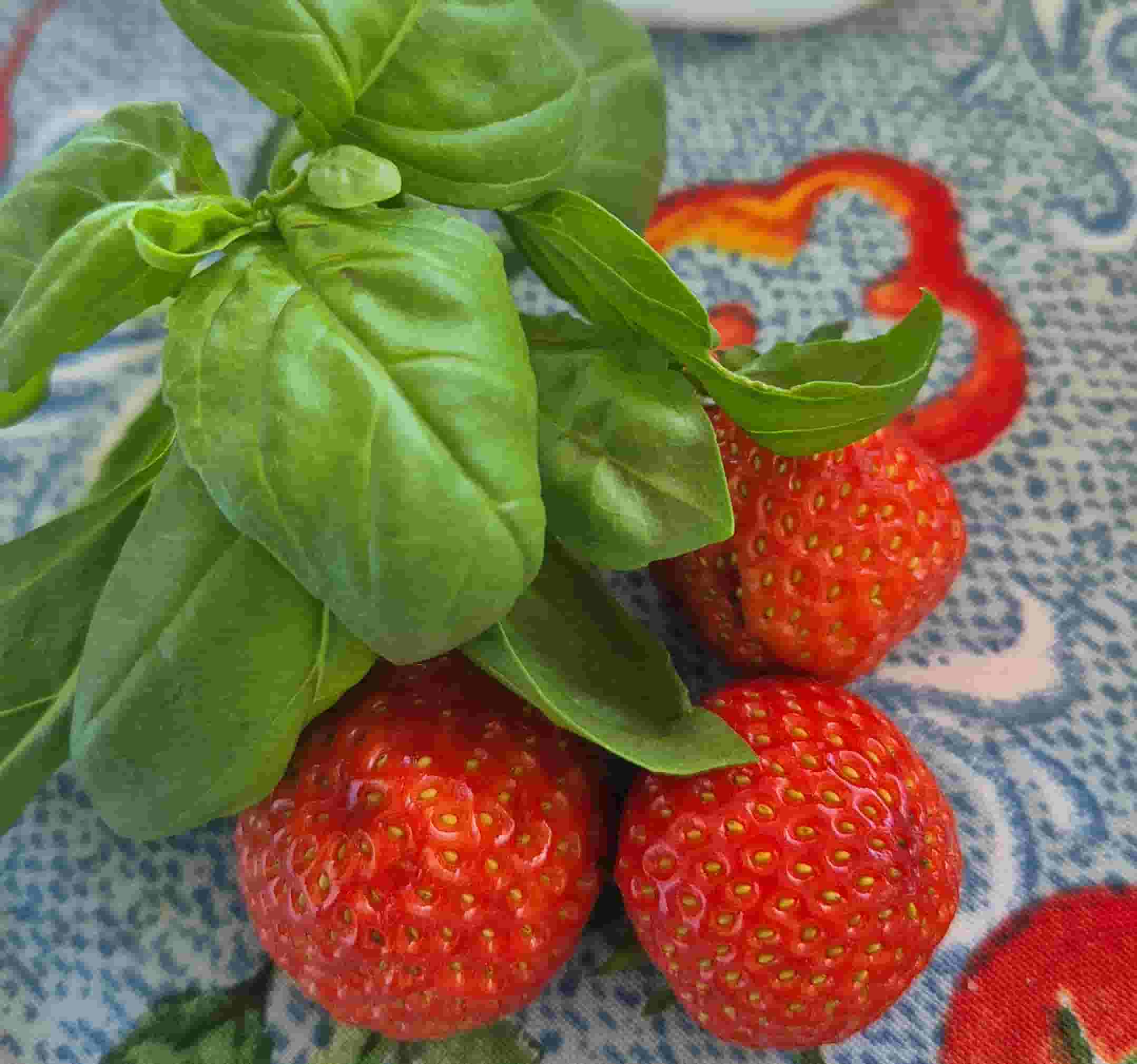
My absolute favorite application, when I have a big amount, is to turn it into pesto along with some pistachios and a good hard cheese and olive oil. Yum! 😋
Lemon Basil - 4/5 seeds
This variety was a great finding, though I am extremely biased towards lemony flavours in anything (my favorite thyme is, surprise surprise, lemon thyme). But this one makes the very best tea. All basils when steeped in hot water, or left overnight in water in the fridge, make for great infusions with a refreshing aftertaste. So of course lemon basil is a top candidate for this purpose. It also tastes amazing in pesto and paired with multiple fruits.
Purple Basil - 4/5 seeds
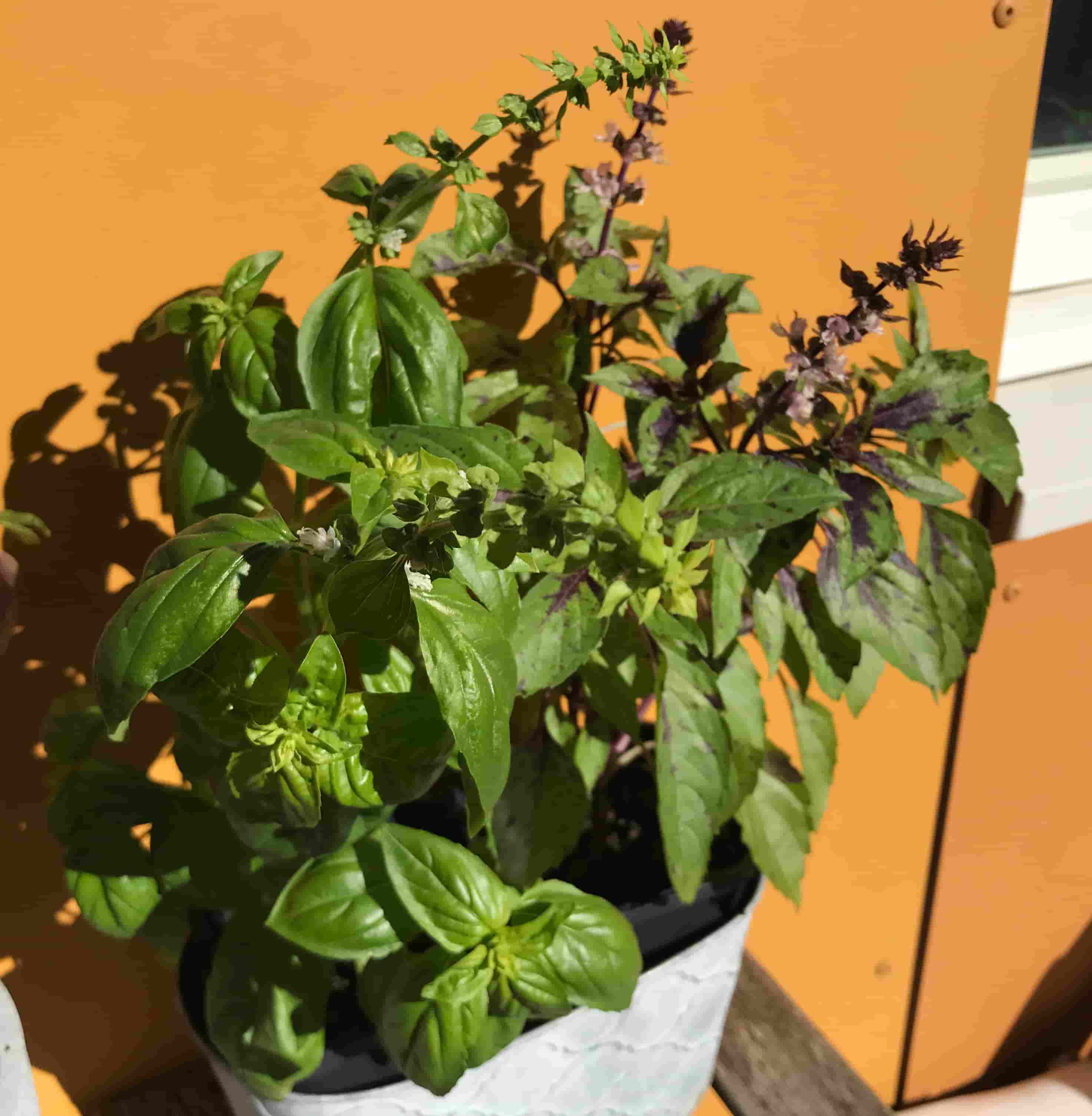
A stunning plant with a standout color. Anything that mysteriously dark and whimsical is a guaranteed showstopper in your garden. This particular variety retains the same flavor of genovese basil, but presented in a more fashionable choice. The applications are, thus, quite the same, except instead of a vibrant green, you will have a dark purple mixed through.
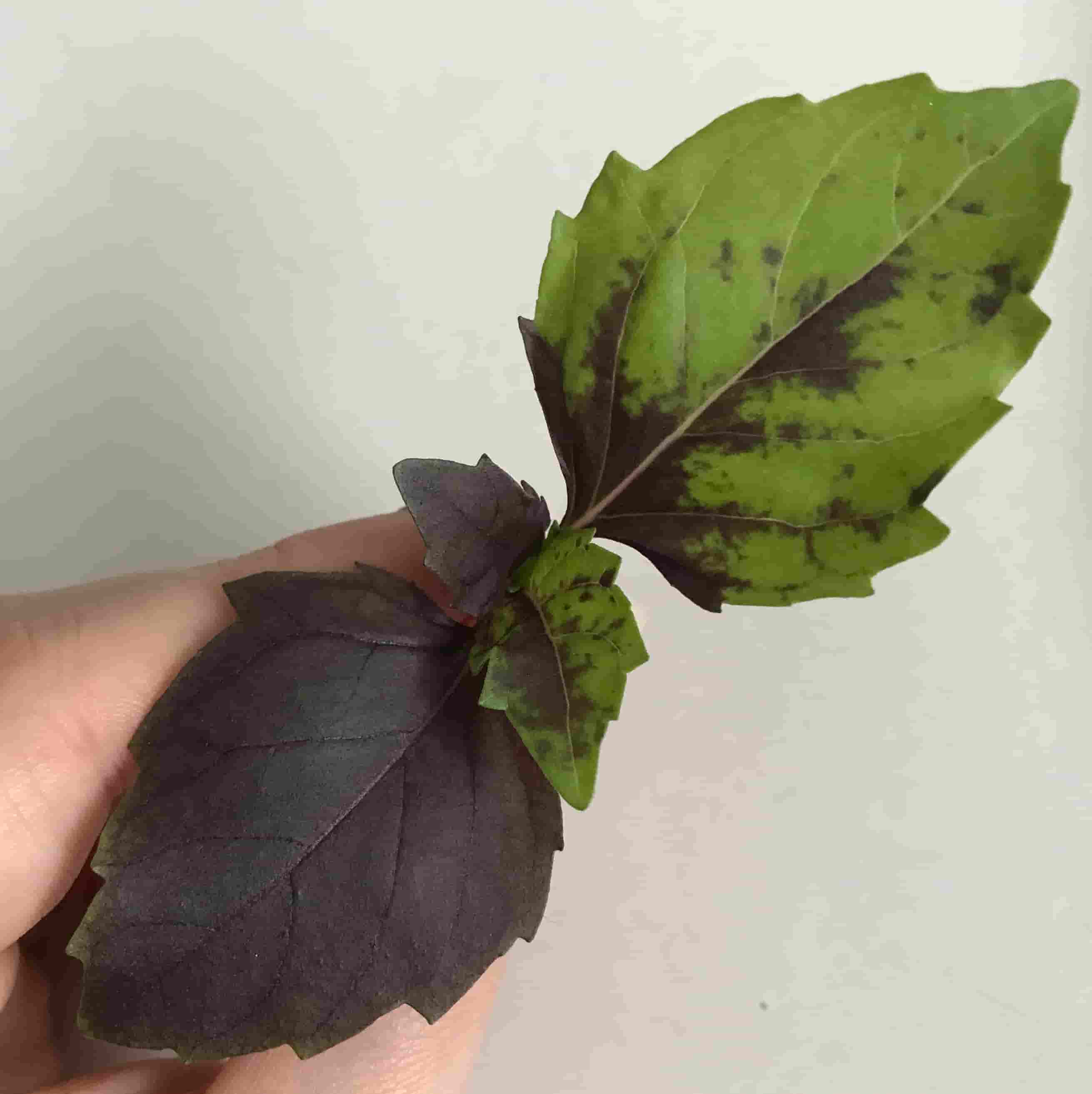
As a perk, when grown from seed, sometimes you will obtain variegated plants with both green and purple, and those are quite fun to grow and propagate.
Thai - 3/5 seeds
This is another showstopper, with a deep green color and some purple mixed throughout. The flavor is also quite different carrying some anis notes which are perfect for thai curries and salads. It’s not quite as versatile for me as the genovese, but still super fun to grow!
Clove Basil - 3/5 seeds
A similar variety to the thai basil in looks, but with a more minty flavor profile. Don’t let the “clove” part fool you, it has nothing to do with the spice’s taste, but it is amazing in infusions and salads!
Lettuce Basil - 2/5 seeds
This variety looks amazing. The leaves get to a gigantic palm size and are all wrinkly, just like a lettuce leaf. As much fun as it was to see it grow, the anis flavor didn’t quite suit me, so it’s not my favorite. But definitely the coolest looking variety!
Adding to my innate love for basil, they are also super easy to sow from seed and propagate, and they grow incredibly fast. Once you know how to pick the leaves properly, you’ll realize just how much a single plant can produce.
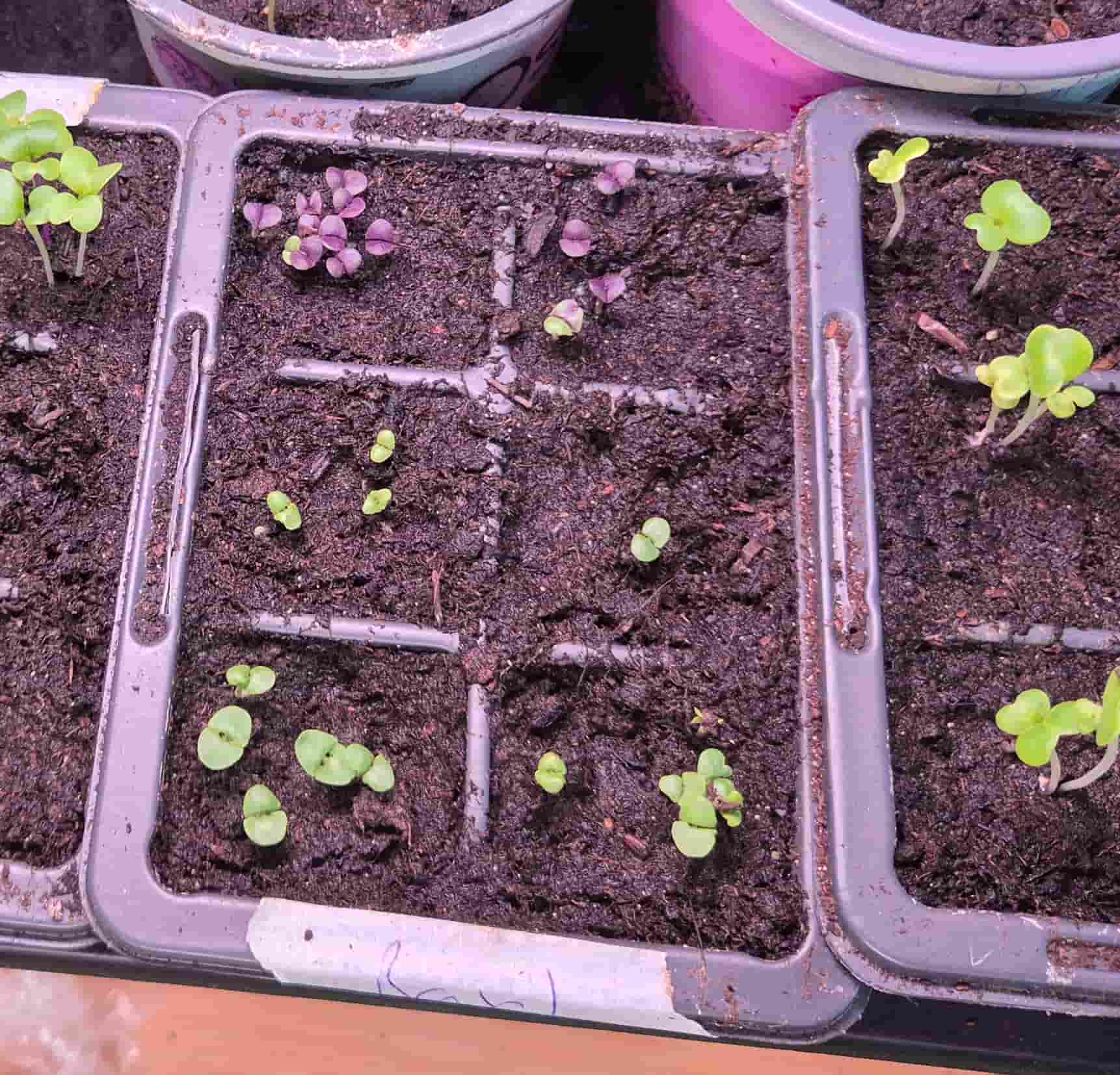
You see basil (and many other herbs, by the way) grow leaves in a “cross” fashion, where they have two leaves on either side of the stem, and if you snip the plant just above those two leaves, it will immediately fight back and grow two more “crosses” from each leaf site, to try and outnumber you on the next assault. Little do they know that’s exactly what you wanted from them all along, and they will just keep branching out more and more each time!
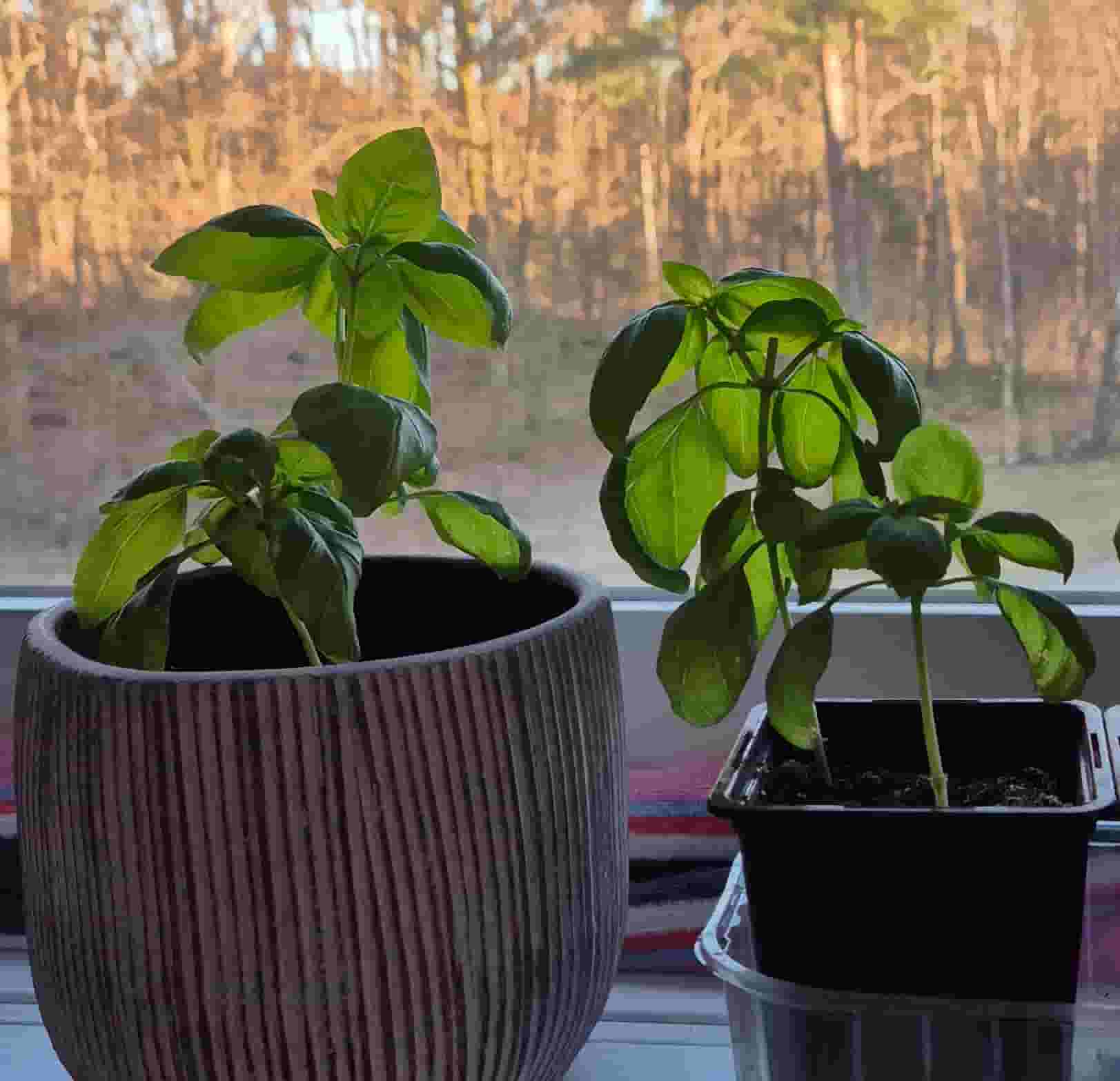
Don’t know what to do with the part you just sniped off? Well stick back into the soil, and it will root out and turn into a brand new basil plant in no time. Or place them somewhere warm to dry them out for future use.
Whatever you do, do not stop snipping your basil plants! Pruning often will prevent them from producing flowers, which can make the leaves take on a stronger and slightly unpleasant taste, and then it’s sadly game over.
Well, for us at least, because bees will absolutely have at it on those basil flowers at the end of the summer! They too, have great taste.
 Subscribe to my RSS Feed!